
Choosing between a 30 yard vs 40 yard dumpster can feel simple at first. One is bigger, so it must be better for a large project, right?
Not always.
A 40 yard dumpster gives you more volume, but a 30 yard dumpster is often easier to load, easier to place, and more practical for large residential cleanouts, remodels, and bulky junk removal. The right choice depends on your debris type, loading method, available space, and whether your project will hit the weight limit before it fills the container.
Should You Rent a 30 Yard or 40 Yard Dumpster?
Rent a 30 yard dumpster if you are handling a large home cleanout, multi-room renovation, estate cleanout, roofing tear-off, or bulky junk removal project where most debris will be loaded by hand.
Rent a 40 yard dumpster if you are handling a major demolition, commercial cleanout, full-building renovation, construction jobsite, or high-volume project where crews can load debris with equipment or from above.
The key point is this: a 40 yard dumpster holds more, but it is also taller and harder to load manually. Many homeowners are better served by a 30 yard dumpster because it provides large capacity without making loading unnecessarily difficult. DumpsterSidekick notes that common 30- and 40-yard dumpsters often share a similar footprint, while the 40-yard container has taller sidewalls that can make manual loading harder.
At a Glance: 30 Yard vs 40 Yard Dumpster
Feature | 30 Yard Dumpster | 40 Yard Dumpster |
Common dimensions | About 22 ft long × 7.5–8 ft wide × 6 ft high | About 22 ft long × 7.5–8 ft wide × 8 ft high |
Capacity | 30 cubic yards | 40 cubic yards |
Best for | Large home cleanouts, remodels, estate cleanouts, bulky junk | Commercial demolition, major construction, full-building cleanouts |
Loading difficulty | Easier for manual loading | Harder because of taller walls |
Typical concern | May require a swap-out for very large projects | May be too tall or too large for some residential jobs |
Best user | Homeowner, landlord, remodeler, small contractor | Contractor, commercial crew, demolition team |
A 30 yard dumpster is commonly listed around 22 feet long, 7.5 feet wide, and 6 feet high, while a 40 yard dumpster is commonly listed around 22 feet long, 7.5 feet wide, and 8 feet high. Exact dimensions can vary by hauler and container manufacturer.
What Is the Main Difference Between a 30 Yard and 40 Yard Dumpster?
The main difference is volume and wall height.
A 40 yard dumpster gives you 10 more cubic yards of space than a 30 yard dumpster. That extra space can help on large commercial projects, full-building cleanouts, and major demolition jobs.
But the taller sidewalls can also make the dumpster harder to use. If you are lifting furniture, drywall, wood, cabinets, boxes, or mixed junk from ground level, the 30 yard dumpster may feel much more manageable.
Capacity Is Different
A 30 yard dumpster holds 30 cubic yards of debris. A 40 yard dumpster holds 40 cubic yards of debris.
That sounds like a clear win for the 40 yard dumpster, but usable capacity depends on what you are throwing away. Light, bulky debris fills space quickly, while heavy debris may hit the weight limit before the container is full.
For example, bulky furniture, packaging, wood, siding, and general cleanout junk may benefit from more volume. Concrete, dirt, brick, asphalt, and heavy roofing materials are different because they become too heavy quickly.
Loading Height Is Different
This is where many people make the wrong choice.
A 30 yard dumpster is usually about 6 feet high. A 40 yard dumpster is often about 8 feet high.
That extra height matters when you are loading by hand. Tossing light debris over a 6-foot wall is very different from lifting heavy debris over an 8-foot wall.
If you have a skid steer, forklift, loader, or crew throwing material from above, a 40 yard dumpster can work well. If you are cleaning out a house with a few helpers, a 30 yard dumpster is usually easier and safer.
Weight Limits Still Matter
Dumpster size is measured by volume, but your rental also has a weight limit.
This means the biggest container is not always the best choice. A 40 yard dumpster may have more space, but heavy debris can still trigger overage fees or pickup problems if the load exceeds the quoted weight allowance.
Budget Dumpster notes that each rental includes a set weight limit, and going over that limit can lead to extra fees. Dumpsters.com also warns that heavy debris like concrete or dirt may require a smaller dumpster because of weight.
When a 30 Yard Dumpster Is the Better Choice
A 30 yard dumpster is often the best large dumpster for residential and light commercial projects.
It gives you serious capacity without the loading difficulty of a 40 yard container. It is also a better fit when the project is large, but not large enough to justify maximum volume.
For many homeowners comparing 30 yard vs 40 yard dumpster, the 30 yard option is the more practical choice when debris will be loaded by hand.
Large Residential Cleanouts
A 30 yard dumpster works well for large home cleanouts where you are removing furniture, boxes, household junk, old carpet, small fixtures, and general clutter.
It is especially useful when curbside pickup is too limited and repeated dump runs would waste time. If the cleanup involves several rooms, a garage, basement, attic, or storage area, a 30 yard dumpster gives you enough room to work steadily.
This is often the point where renting a dumpster makes sense. Trash bags and pickup truck trips become inefficient once debris starts piling up faster than you can remove it.
Multi-Room Remodels
A 30 yard dumpster is also a strong fit for multi-room remodeling projects.
Use it for debris from kitchens, bathrooms, flooring removal, cabinets, drywall, trim, doors, fixtures, and packaging waste. It gives contractors and homeowners a central place to keep the worksite cleaner and safer.
A clean work area matters because renovation debris can create trip hazards, block walkways, and slow down crews.
Estate Cleanouts and Bulky Junk
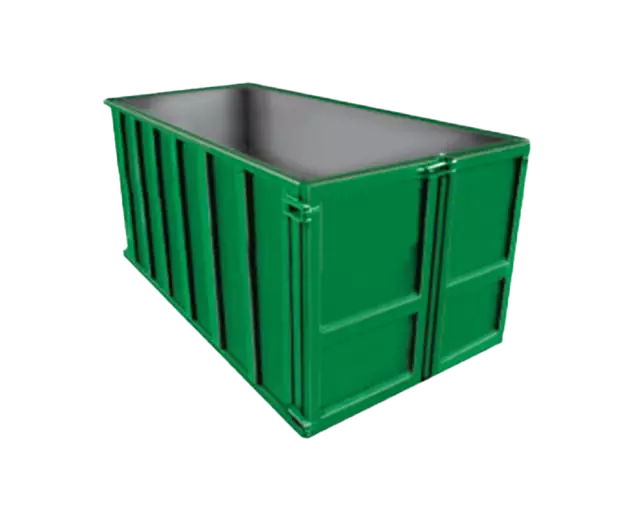
Estate cleanouts often create bulky, mixed debris.
You may be dealing with furniture, mattresses, shelving, boxes, broken household items, old appliances, and years of stored material. A 30 yard dumpster gives you room for large items without automatically jumping to the tallest container.
If the property has a narrow driveway or limited loading area, the lower wall height can make the work easier.
Projects Loaded by Hand
This is one of the most important decision points.
If people are carrying debris from the house, garage, yard, or jobsite and loading it manually, a 30 yard dumpster is usually easier. You can still use the swinging door for heavy items, but the lower walls make side-loading more realistic.
A 40 yard dumpster may be too tall for comfortable manual loading, especially near the end of a long cleanup day.
When a 40 Yard Dumpster Is the Better Choice
A 40 yard dumpster is the largest standard roll-off dumpster commonly available for many cleanups. It is built for big volume.
Choose it when your project creates a large amount of light or bulky debris and you have enough space, access, and loading ability.
A large dumpster rental makes sense when the project is too big for a 30 yard container and coordinating multiple pickups would slow the job down.
Commercial Demolition and Construction
A 40 yard dumpster is often the better choice for commercial demolition and construction debris.
This includes office buildouts, retail renovations, warehouse projects, construction packaging, framing debris, drywall, and other high-volume waste. Budget Dumpster lists commercial demolition projects, office building cleanouts, commercial renovations, and full home remodels as suitable uses for a 40 yard dumpster.
The 40 yard dumpster works best when the site has room for delivery and crews can load efficiently.
Full-Building Cleanouts
A full-building cleanout can produce more debris than one large residential project.
Apartments, offices, warehouses, retail spaces, and multi-unit properties often need maximum volume because several rooms or units are cleared at once. A 40 yard dumpster can reduce downtime if the crew would otherwise fill a 30 yard container too quickly.
This is especially helpful when the project schedule is tight.
High-Volume Bulky Debris
Bulky debris can fill a dumpster fast without weighing as much as concrete or dirt.
Examples include furniture, shelving, cabinets, display racks, insulation, packaging, plastics, light wood, and general junk. A 40 yard dumpster may work well when the issue is space, not weight.
Still, you should describe the debris before booking because accepted materials and weight limits vary by hauler and location.
Jobsites With Equipment Loading
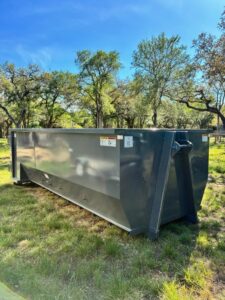
A 40 yard dumpster is much easier to justify when the jobsite has equipment.
If a skid steer, loader, forklift, or professional crew is loading the container, the taller wall height becomes less of a problem. Construction sites can often load from above or use equipment to place debris into the container safely.
For manual residential loading, that same height can become a problem.
Cost, Weight Limits, and Overage Fees
Cost is not only about the size printed on the dumpster.
The final price can depend on location, debris type, weight allowance, landfill fees, rental duration, permit needs, and whether you need extra time or extra pickups. Dumpsters.com lists 30 yard dumpster pricing as varying by delivery location and the type and amount of material being tossed. Budget Dumpster gives similar pricing factors for 40 yard dumpsters, including project location, material type, and rental period.
Why Bigger Is Not Always Cheaper
A 40 yard dumpster may cost more upfront than a 30 yard dumpster.
That can be worth it if you truly need the space. It can also be a waste if the dumpster sits partly empty because the debris is too heavy, the container is too tall to load comfortably, or the project does not create enough volume.
On the other hand, choosing a 30 yard dumpster that is too small can also cost more if you need a second rental or swap-out. The best choice is the size that matches the full project, not the size that sounds cheapest at first.
Heavy Debris Can Change the Recommendation
Heavy debris needs special attention.
Concrete, dirt, brick, asphalt, stone, tile, shingles, and wet debris can become too heavy before they fill a large container. In those cases, a smaller dumpster with a proper weight allowance may be safer and more cost-effective.
Never choose a 40 yard dumpster for heavy debris just because it has more room. Ask about weight limits before loading.
Delivery, Placement, and Loading Access
Before booking, think about where the dumpster will sit and how debris will reach it.
A dumpster that is technically the right size can still become the wrong choice if the truck cannot deliver it safely, the container blocks access, or the crew cannot load it efficiently.
A roll-off dumpster rental needs enough space for the container, the delivery truck, and safe pickup after loading.
Driveway and Jobsite Space
A 30 yard dumpster often fits in many residential driveways, but you still need clear space.
A 40 yard dumpster needs more practical working room because of its height and jobsite use. It may be better suited for commercial lots, construction sites, and larger open areas.
Move vehicles, trailers, equipment, and low obstacles before delivery.
Overhead Clearance
Delivery trucks need overhead clearance to place the dumpster.
Low branches, wires, carports, awnings, and narrow access points can cause problems. Budget Dumpster recommends clearing obstacles and notes that drivers need substantial space and vertical clearance for delivery.
If you are unsure, check the drop-off area before ordering.
Street Placement and Permits
If the dumpster goes on private property, you may not need a permit.
If it sits on a street, sidewalk, public right-of-way, or blocks access, your city or town may require one. Permit rules vary by location, so confirm before delivery.
This is especially important for large dumpsters because they occupy more visible space and may attract complaints if placed without approval.
Project-by-Project Dumpster Size Recommendations
Project Type | Better Size | Why |
Large garage and basement cleanout | 30 yard | Big capacity, easier manual loading |
Whole-home decluttering | 30 yard | Good for furniture, boxes, and mixed junk |
Estate cleanout | 30 yard or 40 yard | Depends on property size and volume |
Multi-room remodel | 30 yard | Handles remodeling debris without excessive height |
Full home gut renovation | 40 yard | More space for high-volume debris |
Commercial office cleanout | 40 yard | Better for large furniture and bulk waste |
Retail or warehouse cleanout | 40 yard | More volume for bulky material |
Roofing project | Ask first | Shingles are heavy and may need special sizing |
Concrete, dirt, brick, asphalt | Usually smaller container | Heavy debris can exceed weight limits quickly |
Construction jobsite with equipment | 40 yard | Easier to load with machinery |
Residential project loaded by hand | 30 yard | Lower walls make loading more practical |
Common Mistakes to Avoid Before Renting
Do not choose only by volume.
A 40 yard dumpster holds more, but that does not mean it is the best fit for every large project. If the debris is heavy or you are loading by hand, a 30 yard dumpster may be easier and more practical.
Do not ignore weight limits.
A dumpster can look half full and still be too heavy. This is common with dense construction debris, roofing material, dirt, concrete, and wet waste.
Do not wait until debris is already piled everywhere.
The right time to rent a dumpster is before the project creates unsafe piles, blocked walkways, repeated dump runs, or curbside pickup problems. Renting early helps keep the project cleaner and more organized.
Do not block pickup access.
The truck must be able to return and collect the loaded container. Keep cars, equipment, trailers, and loose debris away from the pickup path.
Do not toss prohibited items.
Hazardous waste, flammable materials, certain appliances, batteries, chemicals, and some electronics may not be accepted. Budget Dumpster warns that prohibited and hazardous materials should not be tossed into roll-off dumpsters.