
Choosing the right dumpster should not feel confusing. If you pick one that is too small, you may need another haul. If you pick one that is too large, you may pay for space you never use.
This dumpster size guide New York explains how homeowners, landlords, renters, and contractors can choose a practical dumpster size for cleanouts, remodels, roofing jobs, yard cleanup, and construction debris.
The goal is simple: choose a dumpster that fits your debris, your property, your budget, and your project timeline.
What Dumpster Size Do You Need?
For most New York cleanup projects, a 10 yard dumpster works well for small cleanouts or heavy materials, a 15 or 20 yard dumpster fits many home projects, a 30 yard dumpster is better for larger remodels, and a 40 yard dumpster is usually used for major construction, demolition, or bulky debris.
The right size depends on three things:
- How much debris you have
- How heavy the debris is
- Where the dumpster will be placed
Competitor size guides also show that dumpster capacity is commonly explained through dimensions, trash bags, or pickup truckloads, which makes the decision easier for homeowners and contractors.
At a Glance: Common Dumpster Sizes for New York Projects
Dumpster Size | Best For | Watch Out For |
10 yard dumpster | Small cleanouts, concrete, dirt, brick, small roofing jobs | Heavy debris can hit weight limits fast |
15 yard dumpster | Bathroom remodels, garage cleanouts, small renovation debris | May be too small for multi-room jobs |
20 yard dumpster | Home cleanouts, kitchen remodels, roofing, medium contractor jobs | Very common, but not always enough for whole-home projects |
30 yard dumpster | Large renovations, additions, estate cleanouts, light demolition | Needs more space for delivery and placement |
40 yard dumpster | Large construction, commercial cleanup, bulky debris | Not ideal for very heavy debris unless approved |
How Dumpster Sizes Work
Dumpster sizes are measured in cubic yards. A 10 yard dumpster holds about 10 cubic yards of material. A 20 yard dumpster holds about 20 cubic yards, and so on.
That sounds simple, but here is the part many people miss: size is not only about space. It is also about weight.
A dumpster can look half-full and still be too heavy if it is loaded with concrete, dirt, brick, tile, or roofing material.
What “Cubic Yard” Means
A cubic yard is a volume measurement. It helps estimate how much space your debris will take up.
For example:
- Bulky furniture takes up space quickly.
- Drywall and wood are lighter but still fill the container.
- Concrete and dirt may not fill the dumpster, but they can become too heavy.
Why Dumpster Dimensions Can Vary
Dumpster dimensions can vary by hauler, container style, and location. Budget Dumpster notes that external dimensions may vary, even when the internal capacity matches the selected dumpster size.
That is why you should use size charts as a planning guide, then confirm details when requesting a quote.
Dumpster Size Chart for Homeowners and Contractors
10 Yard Dumpster
A 10 yard dumpster is usually best for smaller projects or heavy materials.
Good for:
- Small garage cleanouts
- Basement junk removal
- Small roofing jobs
- Dirt
- Concrete
- Brick
- Tile
- Small bathroom projects
This size is useful when the cleanup is not huge, but the debris may be heavy. Republic Services lists 10 yard dumpsters as suitable for heavy materials like concrete, brick, and dirt.
15 Yard Dumpster
A 15 yard dumpster is a good middle option for homeowners who need more room than a 10 yard container but do not need a large construction dumpster.
Good for:
- Bathroom remodels
- Small kitchen updates
- Garage cleanouts
- Flooring removal
- Small deck removal
- Yard debris
This size is helpful when space on the property is limited but the cleanup is more than a few trash bags.
20 Yard Dumpster
A 20 yard dumpster is one of the most common choices for home projects.
Good for:
- Kitchen renovations
- Larger garage cleanouts
- Roofing projects
- Flooring removal
- Estate cleanouts
- Small contractor jobs
- Medium remodeling projects
Many size guides show the 20 yard dumpster as a strong all-around option because it gives more room without becoming too large for many driveways.
30 Yard Dumpster
A 30 yard dumpster works well when the project is bigger than a normal room cleanup.
Good for:
- Multi-room renovations
- Home additions
- Large cleanouts
- Light demolition
- Contractor debris
- Office cleanouts
This size is often a smart choice when you are removing cabinets, flooring, drywall, fixtures, and mixed construction debris from a larger project.
40 Yard Dumpster
A 40 yard dumpster is usually used for large jobs with a lot of bulky debris.
Good for:
- Large construction cleanup
- Full-building cleanouts
- Commercial junk removal
- Major renovation debris
- Large amounts of wood, drywall, siding, or packaging
A 40 yard dumpster offers more space, but that does not mean it is best for heavy debris. If you are tossing concrete, dirt, brick, or asphalt, ask before choosing a large container.
Best Dumpster Size by Project Type
Garage, Basement, or Attic Cleanout
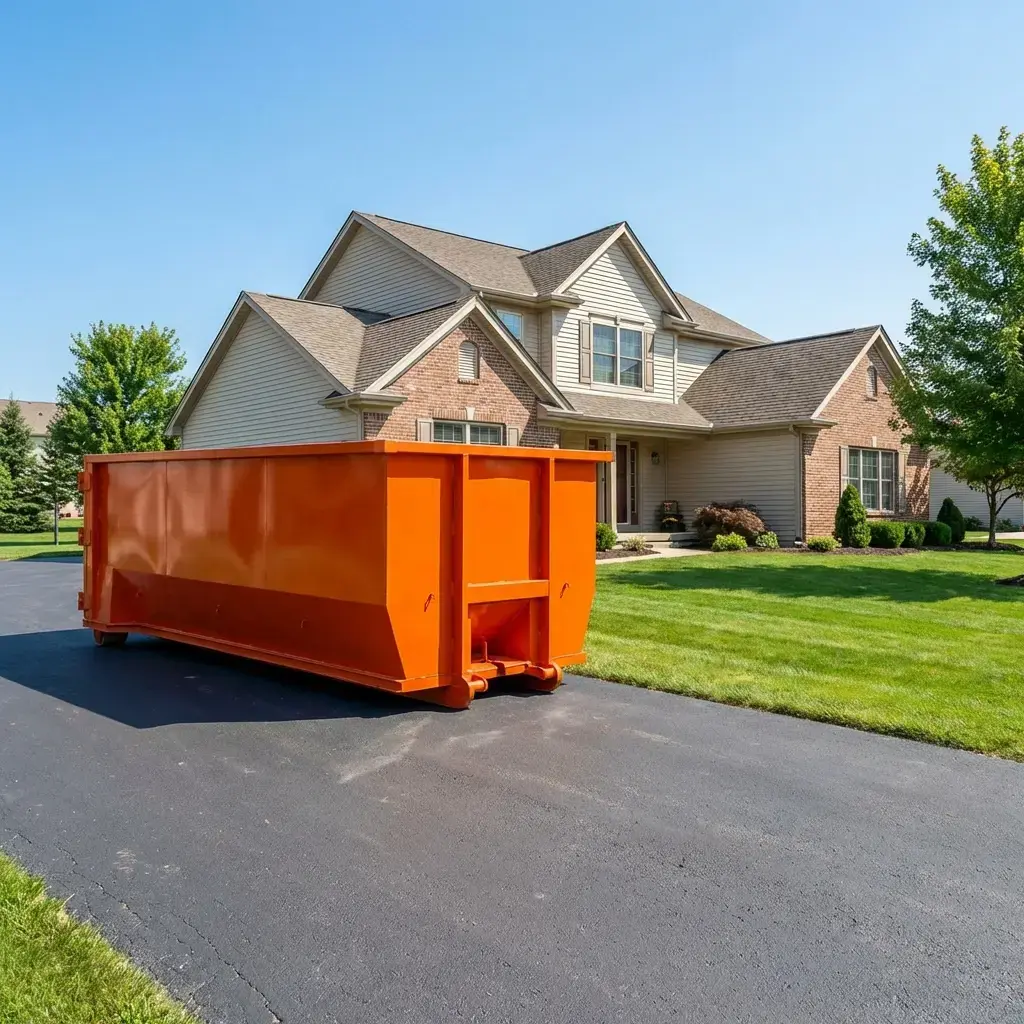
For a light cleanout, start with a 10 or 15 yard dumpster.
Choose a 20 yard dumpster if you are removing:
- Old furniture
- Boxes
- Carpet
- Shelving
- Household junk
- Damaged items
- Several rooms of clutter
If the cleanup has been building for years, size up. One larger dumpster can be easier than stopping halfway because the container filled too fast.
Kitchen or Bathroom Renovation
For a bathroom remodel, a 10 or 15 yard dumpster is often enough.
For a kitchen remodel, a 20 yard dumpster is usually safer because cabinets, countertops, flooring, drywall, and packaging can add up quickly.
For multiple rooms, choose a 30 yard dumpster.
Roofing Projects
Roofing debris can be heavy. Shingles may not look like much at first, but they add weight fast.
For small roofing jobs, a 10 yard dumpster may work. For larger roofs, a 20 yard dumpster is more common. Always share the roof size and material type before booking.
Yard Cleanup and Landscaping
For branches, shrubs, leaves, fencing, and general yard debris, a 10, 15, or 20 yard dumpster may work.
Choose based on volume. Yard debris is often bulky, not always heavy. But soil, sod, stone, and concrete are different. Those materials need weight planning.
Contractor, Demolition, and Construction Jobs
Contractors usually need a 20, 30, or 40 yard dumpster depending on the job.
A 20 yard dumpster can work for small remodels and roofing. A 30 yard dumpster is better for larger renovation debris. A 40 yard dumpster is best for major construction or bulky debris.
If you are working in phases, do not only ask, “What is the biggest dumpster?” Ask what size keeps the job moving without creating weight, space, or permit problems.
Long Island Dumpster Placement and Permit Notes
Dumpster placement matters, especially in Long Island areas where driveways, roads, sidewalks, and local rules can vary.
Driveway Placement
If the dumpster stays fully on private property, such as a driveway or jobsite, a permit is often not needed. Budget Dumpster gives similar guidance for Long Island, noting that private-property placement usually does not require a permit, while street placement may require local approval.
Still, you should check:
- HOA rules
- Town rules
- Village rules
- Driveway surface strength
- Overhead wires or tree branches
- Delivery truck access
Street or Public Right-of-Way Placement
If the dumpster must sit on a street, sidewalk, or public right-of-way, check local rules before delivery.
This is not just a small detail. The Town of Hempstead code says placing a roll-off container on a public street without a permit is unlawful, and it also lists placement rules such as street width, reflector markings, and time limits.
North Hempstead also requires a dumpster permit for placement in the town right-of-way and asks for details such as applicant information, a location diagram, container description, reflectors, and safe placement away from hydrants.
The main point: do not assume every Long Island town has the same dumpster rule. Ask before the container arrives.
Weight Limits Matter More Than Most People Think
A common mistake is choosing by size only.
That can cause problems.
A large dumpster may have plenty of open space, but it can still be overweight if filled with heavy material. Heavy debris includes:
- Concrete
- Dirt
- Brick
- Stone
- Tile
- Asphalt
- Roofing shingles
Bulky debris includes:
- Furniture
- Wood
- Drywall
- Boxes
- Siding
- Cabinets
- General junk
Heavy debris needs careful weight planning. Bulky debris needs more space.
That is why a 10 yard dumpster can sometimes be better for concrete, while a 30 or 40 yard dumpster can be better for bulky construction debris.
What You Should Not Put in a Dumpster
Do not place hazardous or restricted materials in a dumpster unless your rental provider clearly approves them.
Common restricted items may include:
- Oil-based paint
- Chemicals
- Solvents
- Automotive fluids
- Batteries
- Pesticides
- Pool chemicals
- Propane tanks
- Certain electronics
- Medical waste
- Tires
- Appliances with refrigerant
The New York State Department of Environmental Conservation lists examples of household hazardous waste such as oil-based paints, pool supplies, automotive fluids, home hobby chemicals, and compact fluorescent bulbs.
If you are not sure, ask first. Guessing can lead to extra fees, refused pickup, or unsafe disposal.
How to Avoid Renting the Wrong Dumpster Size
The wrong size usually happens because people underestimate one of three things:
- The amount of debris
- The weight of the debris
- The space needed for delivery
Here is a simple rule:
- If the debris is heavy, ask about weight first.
- If the debris is bulky, ask about volume first.
- If space is tight, ask about placement first.
Choose a larger dumpster when:
- You are cleaning more than one room
- You are removing furniture
- You are doing a full kitchen remodel
- You are working with mixed construction debris
- You do not want a second haul
- Your project may grow once demolition starts
Stay with a smaller dumpster when:
- The debris is heavy
- You have limited driveway space
- The project is small and focused
- You only need to remove one material type
- You are cleaning a small garage, attic, or bathroom
A dependable dumpster rental agency can usually help you choose faster when you explain the project clearly.
What to Share When Requesting a Dumpster Quote
A quote is easier and more accurate when you provide the right details upfront.
Before calling or booking online, write down:
- Project address or ZIP code
- Type of project
- Type of debris
- Estimated amount of debris
- Heavy materials involved
- Preferred dumpster size
- Delivery date
- Pickup date or rental period
- Driveway, street, or jobsite placement
- Any permit concerns
- Any restricted items you may have
Your price can change based on size, location, debris type, debris weight, and rental period. These same factors are commonly listed by dumpster rental providers when explaining quote pricing.
The more specific you are, the easier it is to match the right container and avoid surprise costs for waste removal services.