
Food, drinks, decorations, vendor packaging, and guest trash can pile up faster than most event organizers expect. Without a clear waste plan, full trash cans can create litter, unpleasant odors, blocked walkways, and a difficult post-event cleanup.
For organizers comparing event dumpster rental Long Island options, the best plan starts with attendance, event duration, vendor activity, waste types, placement, and pickup timing. Planning these details early helps you choose an appropriate container and avoid relying on overflowing bags or repeated dump runs.
Quick Answer: How Should You Plan Waste for a Long Island Event?
Start by estimating how many people, vendors, and service areas will produce waste. Identify whether you will have general trash, recyclable containers, food waste, decorations, or setup materials.
Next, choose a dumpster with enough capacity, position waste stations near high-use areas, and keep the main container accessible to the cleanup crew and collection truck. Confirm accepted materials, venue rules, delivery timing, and pickup requirements before the event begins.
Event Waste Planning at a Glance
Planning Item | What to Confirm |
Attendance | Expected guests, staff, vendors, and volunteers |
Event duration | Setup, public hours, teardown, and multi-day use |
Waste types | Trash, recyclables, food waste, packaging, and decorations |
Container size | Expected volume plus a practical capacity buffer |
Placement | Truck access, pedestrian safety, and crew convenience |
Waste stations | Food areas, seating, entrances, exits, and restrooms |
Service schedule | Delivery, possible extra collection, and final pickup |
Responsibilities | Who empties bins, checks stations, and manages cleanup |
Local requirements | Venue approval and possible municipal permission |
Restrictions | Materials that require separate disposal |
When Should You Rent a Dumpster for an Event?
A dumpster becomes useful when ordinary trash cans, bags, or curbside service cannot handle the expected volume. It also helps when the venue must be cleared quickly after guests and vendors leave.
The decision should not be based on attendance alone. A smaller food festival may generate more waste than a larger meeting where guests receive few disposable items.
When Trash Bags and Venue Bins Are Not Enough
Consider renting a dumpster when:
- Trash cans will need to be emptied repeatedly.
- Several food or beverage vendors will attend.
- The event includes disposable plates, cups, or packaging.
- Decorations and promotional materials will be discarded.
- Setup and teardown will create bulky waste.
- Municipal collection will not occur immediately.
- The venue has a strict cleanup deadline.
- Your team would otherwise make several disposal trips.
- The event runs for more than one day.
- Waste must remain contained away from guests.
A dumpster gives the cleanup crew a central destination for full bags. This keeps small waste stations available throughout the event instead of allowing bags to collect behind tents, tables, or buildings.
Events That Commonly Need a Dumpster
Dumpster rentals can support:
- Private parties.
- Corporate gatherings.
- Community fairs.
- Street festivals.
- Sporting events.
- School events.
- Religious gatherings.
- Food and beverage festivals.
- Film or photography productions.
- Multi-day markets.
- Seasonal celebrations.
The type of event affects the waste plan. A wedding may produce catering waste, floral materials, packaging, and decorations, while a street fair may generate large amounts of vendor packaging and beverage containers.
How Much Waste Will Your Event Generate?
A useful estimate considers who will attend, how long the event will operate, what vendors will sell, and what materials will be discarded during setup and teardown.
Do not estimate only the trash visible during public hours. Boxes, plastic wrapping, signage, decorations, damaged supplies, and vendor materials can add significant volume before and after the event.
Start With Attendance and Event Duration
Record the expected number of Staff members Security and maintenance workers.
Then consider how long each group will remain onsite. A four-hour gathering usually creates a different waste load than a two-day festival with continuous food service.
Past event records are especially valuable. Ask the venue whether it knows how many bags, bins, or containers were filled during similar events.
Include Vendor, Setup, and Teardown Waste
Food and retail vendors may produce waste that attendees never see. Common examples include:
- Shipping cartons.
- Plastic wrapping.
- Ingredient packaging.
- Disposable service items.
- Display materials.
- Broken merchandise.
- Pallets or crates.
- Promotional handouts.
- Damaged decorations.
Ask every vendor what materials they expect to discard and whether they will remove any waste themselves. Include those responsibilities in the vendor agreement instead of deciding them after the event.
Identify the Main Waste Streams
Divide the expected material into practical categories:
- General trash.
- Recyclable bottles, cans, and clean containers.
- Food and organic waste.
- Cardboard and vendor packaging.
- Cooking oil or liquid waste.
- Decorations and promotional materials.
- Materials requiring separate disposal.
This step helps determine whether you need one mixed-waste dumpster or separate containers and collection systems.
Leave a Practical Capacity Buffer
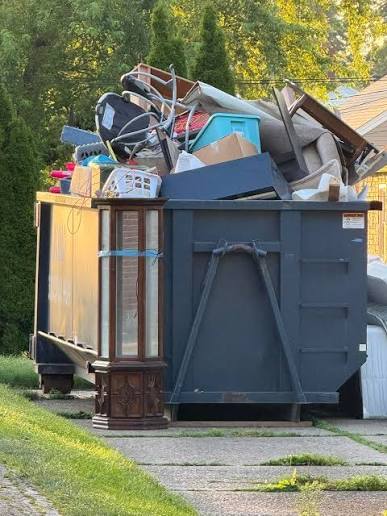
Your estimate does not need to be perfect, but it should allow for unexpected waste. Bad weather, changes in attendance, extra vendor deliveries, and damaged supplies can all increase the final volume.
It is usually safer to choose a reasonable buffer than to fill a container early and leave the cleanup crew without capacity. Ask the provider whether an extra pickup or container exchange can be scheduled if the event is larger than expected.
What Dumpster Size Is Best for an Event?
Event dumpsters commonly range from smaller 10- or 15-yard containers to larger 30- or 40-yard roll-offs. The correct choice depends on waste volume, material type, available space, and whether the container will be serviced during the event.
The following ranges are planning guides, not fixed rules. Give the rental company complete event details before accepting a final recommendation.
Dumpster Range | Events It May Suit | Important Considerations |
10–15 yards | Private parties, small weddings, community meetings, limited-vendor events | Best when waste is controlled and space is limited |
20–30 yards | Medium weddings, corporate events, block parties, local fairs | Useful when catering and vendor packaging increase volume |
30–40 yards | Large festivals, concerts, sporting events, multi-day gatherings | Requires suitable placement, truck access, and careful loading |
Multiple containers | Events separating trash, recycling, food waste, or vendor debris | Helps prevent contamination and improve collection flow |
10–15-Yard Dumpsters for Smaller Events
A smaller roll-off may work when:
- The event lasts one day.
- Attendance is limited.
- Few vendors are present.
- The venue already handles some waste.
- Most waste consists of bagged general trash.
- Setup and teardown materials are minimal.
A smaller container can also be useful when the property has limited placement space. However, it should not be selected only because it costs less.
20–30-Yard Dumpsters for Medium Events
A medium container may be appropriate for:
- Weddings with full catering.
- Corporate events with several vendors.
- Community fairs.
- School functions.
- Outdoor markets.
- Events with substantial decorations.
This range provides more flexibility when the cleanup crew will empty guest-facing bins into the dumpster throughout the day.
30–40-Yard Dumpsters for Large Events
Larger containers are more suitable for high-volume or multi-day events. Examples include festivals, concerts, large sporting events, and gatherings with extensive food service.
A large container needs more placement space and clear access for the delivery and pickup truck. Confirm overhead clearance, surface conditions, turning space, gates, and scheduled access times.
When to Use Multiple Containers or Extra Service
One large dumpster is not always better than several smaller containers.
Multiple containers may help when:
- The event covers a wide area.
- Waste must be separated.
- Vendors have a dedicated service area.
- One truck cannot access every part of the property.
- The event lasts several days.
- A full container must be exchanged before the event ends.
Ask whether the provider can perform an extra pickup, container exchange, or scheduled service during a multi-day event.
Where Should Event Dumpsters and Waste Stations Be Placed?
Guest-facing waste stations and the main dumpster have different purposes. Small stations should be convenient for attendees, while the dumpster should remain in a controlled service area.
The cleanup team needs a safe route between the two. If the route is too long or difficult, full bags may collect near guest areas instead of reaching the container.
Position Waste Stations Where Guests Need Them
Place clearly marked waste stations near:
- Food and beverage areas.
- Seating and dining areas.
- Vendor zones.
- Parking-to-venue walking routes.
- High-traffic intersections.
Where recycling or food-waste collection is available, place the containers together. A recycling bin located far from the trash bin is less likely to be used correctly.
Use simple signs with pictures and short labels. Guests should be able to understand the sorting system without stopping to read a long list.
Keep the Dumpster in a Controlled Service Area
The main dumpster should be close enough for the cleanup crew but away from:
- Guest seating.
- Food preparation.
- Main photographs or decorative areas.
- Children’s activity areas.
- Emergency exits.
- Fire lanes.
- Narrow pedestrian routes.
The location should discourage unauthorized dumping and prevent guests from placing unsuitable items directly into the container.
Protect Pedestrian, Emergency, and Truck Access
Before delivery, confirm:
- The truck can enter and leave safely.
- Gates will be open.
- No low branches or wires interfere with delivery.
- The surface can support the container.
- Emergency routes remain clear.
- Accessible paths are not blocked.
- The pickup truck can reach the container after the event.
- Parked vehicles will not prevent collection.
Discuss surface protection when the container will sit on a driveway, paved lot, or finished surface. Do not assume the driver can move a full dumpster around parked cars, vendor vehicles, or temporary structures.
How Should Event Waste Be Sorted?
Sorting should be simple enough for guests, vendors, and cleanup workers to follow. Too many categories can create confusion, while too few may cause recyclable or restricted materials to enter the wrong container.
Build the system around the materials your event will actually produce.
Separate Trash, Recycling, and Organic Waste
A basic system may include:
- General trash.
- Bottles and cans.
- Clean cardboard.
- Food and organic waste.
Confirm that separate recycling or organic collection is available before advertising those options. A label alone does not create a recycling program; the collected material still needs an approved destination.
Keep liquids out of bagged waste when possible. Partially full drink containers make bags heavier and increase the chance of leaks.
Give Vendors Clear Disposal Instructions
Provide vendors with written instructions before arrival.
Explain:
- Which materials belong in each container.
- Where cardboard should be taken.
- Whether boxes must be flattened.
- How food waste will be handled.
- Where cooking oil must go.
- Who moves vendor waste to the service area.
- When the vendor area must be cleared.
- Which items vendors must take away themselves.
Assigning responsibility is essential. “Vendors will clean their areas” is too vague unless the agreement explains where their waste goes.
Keep Prohibited Materials Out of the Dumpster
Common items that may require separate handling include:
- Propane tanks.
- Electronic equipment.
- Medical waste.
- Hot ashes.
- Liquid waste.
- Cooking oil.
- Hazardous or flammable materials.
Accepted materials vary by provider and disposal facility. Send the rental company a complete list if the event may produce anything other than ordinary bagged trash, cardboard, and approved recyclables.
Do You Need a Permit for an Event Dumpster on Long Island?
Permit and placement requirements can depend on the exact town, village, road, park, venue, and property type. Do not assume that approval from the event organizer or property owner automatically covers the dumpster.
Confirm the rules before scheduling delivery, especially when the container will occupy public property.
Private-Property Placement
A dumpster placed entirely on approved private property may be simpler to arrange. However, the venue or property owner may still control:
- Delivery hours.
- Approved surfaces.
- Container appearance.
- Service entrances.
- Noise restrictions.
- Pickup deadlines.
- Damage protection.
- Proof of insurance.
Get the placement location approved in writing when possible. Mark the location on a site plan that can be shared with the rental provider.
Public Roads, Parking Areas, and Parks
Additional approval may be needed when the dumpster will occupy:
- A public road.
- A road shoulder.
- Public parking.
- A municipal lot.
- A park.
- A beach facility.
- A sidewalk-adjacent area.
- Other government-controlled property.
Ask which department controls the location. Depending on the property, that may be a town, village, parks department, highway department, public works office, or venue authority.
Questions to Ask the Venue and Rental Provider
Before booking, ask:
- Is the proposed location private or public property?
- Does the venue allow roll-off dumpsters?
- Is municipal permission required?
- Who applies for the permit?
- Are there delivery-hour restrictions?
- Is surface protection required?
- Must the container be covered or screened?
- When must it be removed?
- Can the truck access the site during teardown?
- Are separate recycling or food-waste arrangements required?
Keep the answers with the event’s operating plan so the venue manager, cleanup lead, and provider follow the same instructions.
How to Schedule Delivery, Service, and Pickup
Dumpster timing should follow the complete event schedule, including setup and teardown. Delivering too late can leave setup waste without a destination, while collecting too early can leave the teardown team with bags and decorations after the container is gone.
Create a timeline before requesting the quote.
Before the Event
As soon as the venue and date are confirmed:
- Estimate attendance.
- Contact vendors.
- Identify waste types.
- Select possible placement locations.
- Ask about venue and municipal requirements.
- Request size guidance.
- Confirm delivery and pickup access.
Several days before delivery:
- Reconfirm the location.
- Remove vehicles or equipment.
- Mark the approved placement area.
- Notify security and venue staff.
- Share the provider’s arrival window.
- Check that gates and service roads will be open.
During the Event
Assign a waste lead who can:
- Inspect waste stations.
- Replace full bags.
- Correct sorting problems.
- Watch the dumpster’s fill level.
- Keep the container area clear.
- Contact the provider if extra service is needed.
Do not allow waste to rise above the permitted fill line. An overloaded container may be unsafe to transport and could delay pickup.
After the Event
During teardown:
- Walk every guest and vendor area.
- Remove full bags from small stations.
- Flatten approved cardboard.
- Separate restricted items.
- Check tents, kitchens, restrooms, parking areas, and loading zones.
- Keep vehicles away from the dumpster.
- Confirm that the load is level and transportable.
Do not schedule final pickup before vendors and decorators have finished. Their cleanup may create more material than the public portion of the event.
What Affects Event Dumpster Rental Cost?
Event dumpster pricing depends on the container, location, materials, weight, timing, and service requirements. Two events with similar attendance can have different costs because they produce different waste and require different collection schedules.
A clear quote should explain what is included and which conditions may create additional charges.
Main Pricing Factors
Common cost factors include:
- Dumpster size.
- Included weight allowance.
- Waste type.
- Rental duration.
- Delivery location.
- Travel distance.
- Extra pickup or container exchange.
- Disposal charges.
- Overage weight.
- Permit expenses.
- Restricted or contaminated materials.
- Extended rental time.
- Failed delivery or pickup access.
Tell the provider whether food vendors, bulky decorations, glass, cardboard, or dense materials will be involved. A complete description produces a more useful recommendation than simply asking for “a dumpster for a party.”
How to Avoid Additional Charges
You can reduce preventable problems by:
- Selecting enough capacity.
- Confirming the weight allowance.
- Keeping prohibited materials out.
- Following the fill-line limit.
- Flattening approved cardboard.
- Preventing unauthorized use.
- Keeping the service area accessible.
- Scheduling pickup after teardown.
- Requesting an extension before the rental period ends.
- Asking how extra service is priced.
Do not place a container where parked vehicles, locked gates, tents, stages, or vendor equipment can block pickup.
Use One Planning Worksheet for Recurring Events
Event companies, caterers, and organizations that work in several markets can use one standard waste-planning worksheet and adjust it for each location.
The same guest, vendor, material, access, and scheduling questions can support a temporary dumpster rental in Rochester or event waste removal in Buffalo. The final size, placement, and disposal instructions should still be confirmed for each venue.
Common Event Waste Planning Mistakes
Choosing a Dumpster From Guest Count Alone
Attendance is only one factor. Food service, vendor packaging, decorations, event length, and teardown materials can change the required capacity.
Forgetting Setup and Teardown Waste
Shipping boxes, wrapping, damaged supplies, banners, floral materials, and decorations may create a large part of the total load.
Placing the Dumpster Too Far Away
A distant container slows cleanup and encourages crews to stack full bags in temporary areas.
Blocking Collection Access
A properly placed dumpster can still become inaccessible when vendor trucks, parked cars, fencing, or equipment surround it.
Failing to Brief Vendors
Vendors may mix cardboard, liquids, food, oil, and restricted materials when disposal instructions are unclear.
Using Too Few Waste Stations
Guests are less likely to carry trash across the venue. Place stations near the areas where waste is created.
Using Too Many Sorting Categories
A complicated system can increase contamination. Use categories that your hauler can actually collect and process.
Not Assigning a Waste Lead
Someone should be responsible for monitoring bins, vendors, cleanup workers, and the dumpster’s fill level.
Scheduling Pickup Before Teardown Ends
The cleanup team still needs disposal capacity after guests leave.
Assuming Every Material Is Accepted
Confirm questionable items before the event. Removing prohibited materials from a loaded dumpster can delay cleanup and pickup.
Event Waste Plan Checklist
Event Information
- Confirm the event date and public hours.
- Include setup and teardown times.
- Estimate guests, staff, volunteers, and vendors.
- Identify the event’s busiest periods.
Waste Estimate
- List expected waste types.
- Include vendor packaging.
- Include decorations and promotional materials.
- Review records from similar events.
- Add a reasonable capacity buffer.
Dumpster Selection
- Compare available sizes.
- Confirm the included weight.
- Decide whether separate containers are needed.
- Ask about extra service for a multi-day event.
- Confirm prohibited materials.
Placement
- Obtain venue approval.
- Determine whether public-property permission is required.
- Check truck access.
- Protect pedestrian and emergency routes.
- Arrange surface protection if needed.
- Keep the area clear for pickup.
Waste Stations
- Place stations near food areas.
- Cover entrances, exits, seating, and restrooms.
- Use clear labels.
- Pair trash and recycling containers.
- Stock extra bags and cleanup supplies.
Staffing and Vendors
- Assign a waste lead.
- Create a bin-checking schedule.
- Give vendors written disposal rules.
- Explain who moves full bags.
- Identify materials vendors must remove.
Delivery and Pickup
- Confirm the delivery window.
- Notify venue security.
- Mark the approved location.
- Schedule final pickup after teardown.
- Keep gates, roads, and loading areas open.
- Save the provider’s contact information.