

Choosing between a 15 yard and 20 yard dumpster can feel simple at first. Then the real questions start.
Will the smaller one be enough?
Will the bigger one fit in the driveway?
What happens if the debris is heavier than expected?
And if you are cleaning out a home or starting a renovation, how do you avoid paying for the wrong size?
This guide breaks down the 15 yard vs 20 yard dumpster decision in plain English, so you can choose the right container before the project gets messy.
Should You Choose a 15 Yard or 20 Yard Dumpster?
Choose a 15 yard dumpster if you are handling a smaller cleanout, bathroom remodel, flooring removal, yard cleanup, or light renovation debris.
Choose a 20 yard dumpster if you are working on a larger cleanout, kitchen remodel, multi-room renovation, estate cleanout, or bulky debris like cabinets, furniture, drywall, and general construction waste.
Here is the simplest rule:
If the project is small and the debris is light, a 15 yard dumpster is usually enough. If the project has bulky items, several rooms, or unknown debris volume, a 20 yard dumpster is usually the safer choice.
At a Glance: 15 Yard vs 20 Yard Dumpster Comparison
Feature | 15 Yard Dumpster | 20 Yard Dumpster |
Best for | Small to mid-size cleanouts and light renovations | Larger cleanouts, kitchen remodels, and bulky debris |
Typical size | About 16 ft long, 7.5 ft wide, 4.5 ft high | About 22 ft long, 7.5 ft wide, 4.5 ft high |
Capacity | About 80–100 large trash bags | About 110–130 large trash bags |
Truckload estimate | About 4–5 pickup truck loads | About 6 pickup truck loads |
Common projects | Garage cleanout, bathroom remodel, small flooring job | Whole-home cleanout, kitchen remodel, multi-room renovation |
Main advantage | Easier placement and lower space needs | More room and less risk of running out of space |
Main caution | Can fill fast with bulky items | Needs more driveway or jobsite space |
What Is the Main Difference Between a 15 Yard and 20 Yard Dumpster?
The main difference is capacity.
A 20 yard dumpster gives you about 5 extra cubic yards of space compared to a 15 yard dumpster. That extra space matters when you are throwing away bulky items, broken cabinets, old flooring, drywall, furniture, or debris from more than one room.
But bigger is not always better. A 15 yard dumpster can be the smarter pick when space is tight, the project is smaller, or the debris is lighter.
Size and Capacity
A 15 yard dumpster is usually shorter than a 20 yard dumpster. This makes it easier to place in tighter driveways, smaller rental properties, narrow job sites, or areas where you need to keep space open.
A 20 yard dumpster is longer and holds more. That extra length can help with larger projects, but it also means you need more room for delivery, loading, and pickup.
Project Fit
The right dumpster size depends less on the name of the project and more on what you are throwing away.
A small bathroom remodel with a vanity, toilet, tile, packaging, and drywall may fit well in a 15 yard container.
A kitchen remodel with cabinets, countertops, flooring, drywall, fixtures, and old appliances may need a 20 yard container because the debris is bulkier.
The same idea applies to cleanouts. A garage with a few boxes and old shelves may fit in a 15 yard dumpster. A full basement or whole-house cleanout may need a 20 yard dumpster.
Cost and Overage Risk
A smaller dumpster may cost less upfront, but it can become more expensive if you fill it too quickly and need a second haul.
A larger dumpster may cost more upfront, but it can save money if it prevents overflow, delays, or extra pickup charges.
This is why the cheapest option is not always the best option. The best choice is the size that fits your debris without pushing the weight or fill line too far.
When a 15 Yard Dumpster Is the Better Choice
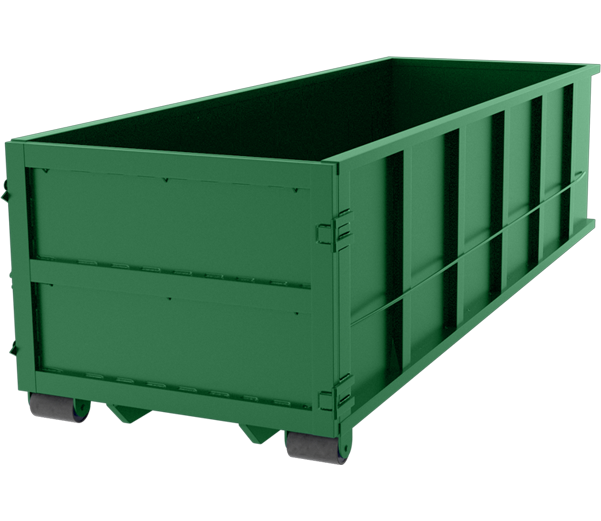
A 15 yard dumpster is best when your project is controlled, smaller, and not packed with bulky materials.
It works well for homeowners who know what they are removing and do not expect the project to grow.
Small Home Cleanouts
A 15 yard dumpster is a strong choice for:
- Garage cleanouts
- Attic cleanouts
- Small basement cleanouts
- Decluttering before a move
- Removing old boxes, broken items, and household junk
- Small landlord cleanouts after a tenant moves out
If you are clearing one main space, this size often gives enough room without taking over the whole driveway.
Bathroom Remodels and Light Renovations
A 15 yard dumpster can work well for smaller renovation debris, such as:
- Bathroom vanities
- Small amounts of tile
- Drywall pieces
- Old trim
- Light flooring removal
- Packaging from new materials
- Small fixtures
If your home project includes electrical work, such as replacing light fixtures, ceiling fans, outlets, or old wiring covers, keep safety in mind. Do not place batteries, hazardous materials, or electronics with special disposal rules into the dumpster unless your rental provider confirms they are accepted.
Tight Driveways or Smaller Job Sites
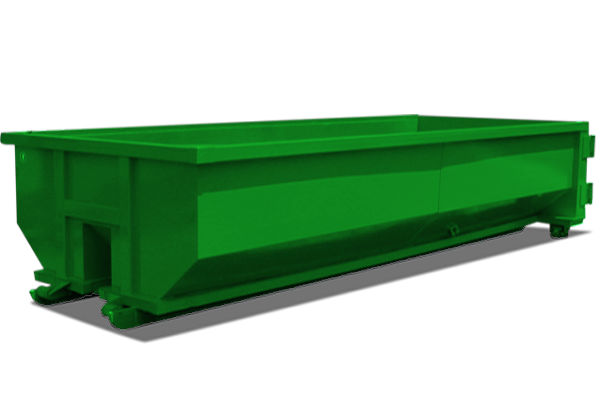
A 15 yard dumpster is often easier to place when space is limited.
It may be a better fit for:
- Narrow driveways
- Small rental properties
- Busy residential streets
- Townhomes
- Light contractor jobs
- Areas with low clearance concerns
If you need room for workers, tools, ladders, or material deliveries, the smaller footprint can make the job easier to manage.
When a 20 Yard Dumpster Is the Better Choice
A 20 yard dumpster is better when the project is larger, messier, or harder to estimate.
It gives you more breathing room, which can be important during renovations and major cleanouts.
Whole-House or Multi-Room Cleanouts
Choose a 20 yard dumpster for:
- Whole-house cleanouts
- Estate cleanouts
- Large basement cleanouts
- Multi-room decluttering
- Moving cleanouts
- Rental property cleanouts with bulky items
Large cleanouts often produce more waste than people expect. Furniture, old rugs, broken shelving, boxes, and random stored items can fill a smaller dumpster fast.
Kitchen Remodels and Larger Renovations
A 20 yard dumpster is often the better choice for kitchen remodels because kitchen debris is bulky.
It may need to hold:
- Cabinets
- Countertops
- Flooring
- Drywall
- Trim
- Packaging
- Old fixtures
- Small non-hazardous construction debris
If your renovation includes electrical upgrades, lighting changes, or wall opening work, a 20 yard dumpster may give you more room for drywall, framing scraps, and old fixture packaging. Just remember that certain electrical items may need separate disposal.
Bulky Items and Construction Debris
A 20 yard dumpster is useful when debris takes up space even if it is not extremely heavy.
This includes:
- Cabinets
- Doors
- Furniture
- Carpet rolls
- Wood scraps
- Drywall
- Old shelving
- Broken fixtures
- General construction debris
If you are not sure how much debris your project will create, it is usually safer to ask a dumpster rental company for size guidance before booking.
Best Dumpster Size for Cleanouts
For most small cleanouts, a 15 yard dumpster can be enough.
This includes a garage, attic, small storage room, or a simple move-out cleanup.
But for larger cleanouts, the 20 yard dumpster usually makes more sense. It gives you room for bulky household junk and helps reduce the chance of needing a second container.
Here is a practical way to decide:
Choose 15 yard if:
- You are cleaning one main area
- Most items are small or medium-sized
- You do not have large furniture
- You have limited driveway space
- You want a smaller container for a short job
Choose 20 yard if:
- You are cleaning several rooms
- You have furniture or bulky junk
- You are emptying a basement or rental property
- You are not sure how much debris is hidden
- You want more space to avoid overflow
Best Dumpster Size for Renovations
For renovations, think about both volume and weight.
A 15 yard dumpster may work for:
- Small bathroom remodels
- Light flooring jobs
- Small drywall repairs
- Minor room updates
- Small deck or shed debris, depending on material type
A 20 yard dumpster may work better for:
- Kitchen remodels
- Multi-room renovations
- Flooring removal across several rooms
- Larger drywall projects
- Cabinet removal
- Moderate construction debris
Renovation debris can be tricky because some materials are bulky, while others are heavy. Drywall, tile, wood, flooring, and fixtures do not all weigh the same. That is why the right choice depends on what you are removing, not only the room size.
Weight Limits, Materials, and Overage Fees
Dumpster size is about volume, but pricing can also depend on weight.
This is where many people make mistakes.
A dumpster can look only half full and still be too heavy if it contains dense debris like:
- Concrete
- Brick
- Dirt
- Tile
- Roofing shingles
- Stone
- Heavy plaster
For heavy debris, ask before booking. Some heavy materials may need a smaller dumpster with a special weight allowance.
Also, do not load above the fill line. Overfilled dumpsters may be unsafe to haul and can lead to delays or extra charges.
Common items that may be restricted include:
- Paint
- Chemicals
- Batteries
- Tires
- Fuel
- Oils
- Certain electronics
- Refrigerators or appliances with refrigerants
- Hazardous materials
Rules can vary by location, so confirm accepted items before loading.
Driveway Placement, Permits, and Delivery Access
Before renting a dumpster, look at where it will sit.
Ask yourself:
- Is the driveway wide enough?
- Is the surface flat and firm?
- Are there low branches or wires?
- Will the dumpster block a garage, sidewalk, or doorway?
- Will the truck have enough room to deliver and pick it up?
- Does the dumpster need to go on the street?
If the dumpster stays on private property, such as your driveway, a permit may not be needed in many areas. If it goes on a public street, blocks a sidewalk, or sits in a public right-of-way, you may need a local permit.
This is especially important in busy neighborhoods, rental properties, and tight city streets.
How to Choose the Right Dumpster Size Before You Book
Before booking, write down five things:
- What project are you doing?
- What materials are you throwing away?
- How many rooms or areas are involved?
- Do you have bulky items?
- Where will the dumpster be placed?
Then use this simple decision guide:
Choose a 15 yard dumpster when the job is smaller, lighter, and easier to estimate.
Choose a 20 yard dumpster when the job is larger, bulkier, or more uncertain.
If you are right on the line, the 20 yard size is often the safer choice. It gives you more room and lowers the chance of needing another haul.
For cleaner planning, compare size, debris type, placement, and pickup timing before you book waste removal services for your project.