
When unwanted furniture, household clutter, or renovation debris begins piling up, you have two practical choices: rent a dumpster or hire a crew to remove everything for you.
This guide to dumpster rental vs junk removal Long Island explains how the two options compare by cost, labor, timing, space, safety, and project type. The better choice depends less on which service sounds easier and more on how much material you have, how quickly it must go, and whether you can safely load it yourself.
Quick Answer: Should You Rent a Dumpster or Hire Junk Removal?
Rent a dumpster when you have a large or ongoing cleanup, can safely load the debris, and want to work over several days. Hire junk removal when you have a smaller amount, need heavy items carried out, have limited container space, or want everything removed during one scheduled appointment.
A dumpster usually provides better control and value for renovations, roofing work, major cleanouts, and projects that create debris over time. Junk removal provides greater convenience when the labor is the hardest part of the job. ental vs Junk Removal at a Glance
Factor | Dumpster rental | Junk removal |
Who loads the waste? | You, your family, or your crew | The removal crew |
Typical timeline | Several days or longer | Usually one appointment |
Best for | Large or ongoing projects | Small, urgent, or labor-heavy jobs |
Pricing method | Container size, debris, weight, and rental period | Item count, truck volume, labor, and access |
Physical effort | High | Low |
Schedule control | High | Moderate |
Space required | Driveway, jobsite, or approved street space | Temporary truck access |
Main advantage | Flexibility and capacity | Convenience and labor |
Main drawback | You must load it | Large jobs can become expensive |
The simplest rule: Choose a dumpster when volume and flexibility matter most. Choose junk removal when speed and hands-off service matter most.
What Is the Difference Between Dumpster Rental and Junk Removal?
Both services remove waste from your property, but they divide the work differently.
How Dumpster Rental Works
A roll-off container is delivered to an approved location at your home, rental property, business, or jobsite. You keep the container for an agreed rental period and load debris as the project moves forward. The provider returns to pick up the filled container and transport the material for disposal.
This arrangement gives you control over:
- When you begin loading
- How quickly you work
- How the space inside the container is used
- When the container is ready for pickup
Dumpster rental works especially well when debris will continue appearing throughout the project. Instead of building a pile and waiting for one pickup appointment, you can place waste directly into the container as you work.
The tradeoff is labor. You are responsible for carrying, lifting, sorting, and loading the material safely.
How Junk Removal Works
A junk removal company arrives with a truck and crew. You identify the items that should go, and the crew carries them out, loads them, and hauls them away.
This is a full-service option. It is particularly useful when the unwanted material includes:
- Sofas and mattresses
- Large appliances
- Heavy cabinets
- Office furniture
- Items in basements or upstairs rooms
- A small number of bulky objects
The appointment may be completed quickly, but you have less control over the working window. You may also need to be present while the crew reviews the load and confirms the price.
Dumpster Rental vs Junk Removal Cost in Long Island
Neither option is automatically cheaper.
The final cost depends on the amount and type of material, the labor involved, the location of the debris, and how long the cleanup takes.
How Dumpster Rental Pricing Works
Dumpster pricing is generally based on:
- Container size
- Rental period
- Delivery and pickup location
- Included weight allowance
- Type of debris
- Local disposal charges
- Availability
- Extra days or additional pickups
A reputable dumpster rental company should explain what the quoted price includes before delivery. Ask whether delivery, pickup, disposal, taxes, and a weight allowance are included.
Dumpster rental tends to become more economical as the amount of debris increases. You are paying for the container and disposal capacity rather than a crew to carry every item. That makes a dumpster attractive for multi-room cleanouts, remodeling work, roofing debris, demolition waste, and other high-volume projects.
However, the cheapest container is not necessarily the cheapest plan. Renting a dumpster that is too small can lead to a second container, an extra haul, or debris left behind.
How Junk Removal Pricing Works
Junk removal pricing may be based on:
- The portion of the truck you fill
- Number and size of items
- Crew size
- Loading time
- Stairs or difficult access
- Number of truckloads
- Type of material
- Special handling or disposal
Junk removal may cost less for one couch, a mattress, a few appliances, or a small pile that would not justify renting an entire container.
The cost can rise quickly when the crew must make several trips or spend many hours carrying material from different parts of a property. Competitor comparisons consistently identify junk removal as convenient for smaller or bulky loads and dumpster rental as more cost-effective for larger, ongoing projects. sts to Ask About Before Booking
Ask both types of providers about possible additional charges.
For a dumpster, these may include:
- Weight overages
- Extra rental days
- A second pickup or container
- Restricted-item charges
- Trip fees for a blocked delivery or pickup
- Permit or placement expenses
- Charges for mixing certain heavy materials
For junk removal, these may include:
- A minimum service charge
- Stairs or long carry distances
- Multiple truckloads
- Additional labor
- Same-day scheduling
- Special handling
- Disposal charges for certain items
A low starting price is not meaningful until you know what is included.
Which Option Is Better for Your Cleanup Project?
The project itself usually points toward the right answer.
Home and Garage Cleanouts
A dumpster is normally the stronger option when you are clearing several rooms, a packed garage, an attic, or years of household clutter.
You can sort belongings gradually, take breaks, and load the container over several days. This is useful when family members need time to decide what will be kept, donated, sold, recycled, or discarded.
Junk removal may be better when the cleanout is already organized and consists of a small number of large items. It can also help when you cannot safely lift the material.
Likely winner: Dumpster for large cleanouts; junk removal for a small, ready-to-go pile.
Renovations and Construction Debris
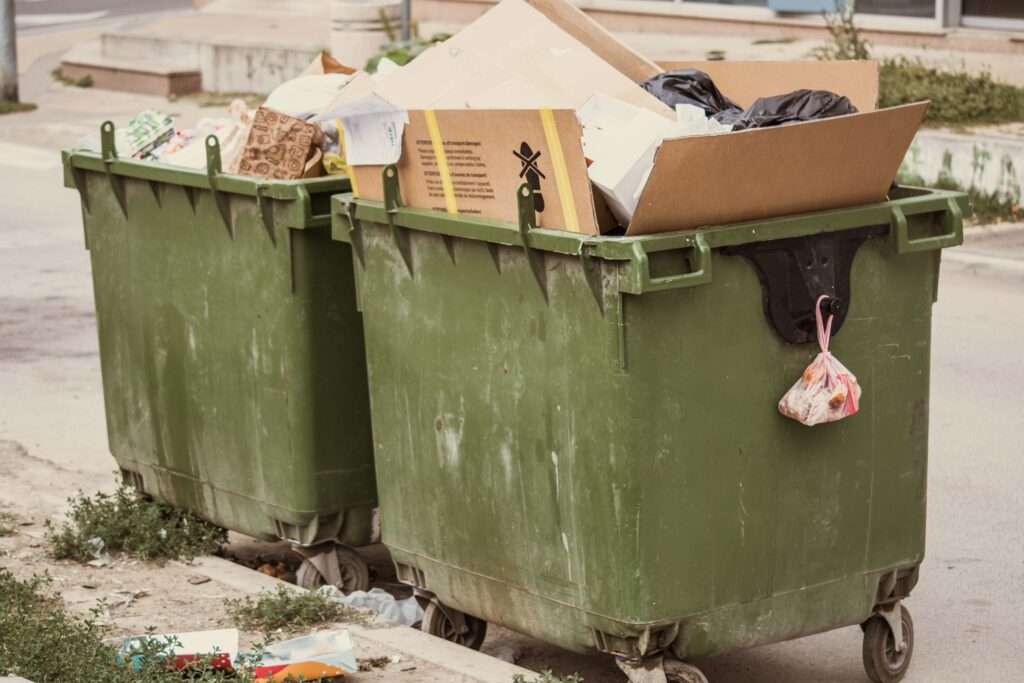
Dumpster rental is usually better for remodeling, roofing, demolition, deck removal, and construction work because debris appears throughout the project.
Workers can move waste out of the work area as it is produced. This helps keep walkways clearer and reduces the need to create a separate debris pile.
Before renting, tell the provider exactly what the project will generate. Concrete, brick, soil, roofing material, wood, drywall, and mixed household waste may have different loading or weight rules.
Likely winner: Dumpster rental.
Furniture, Appliances, and Heavy Items
Junk removal often makes more sense when the main problem is not volume but weight.
A refrigerator, sofa, exercise machine, cabinet, or heavy desk may occupy only a small part of a dumpster, yet moving it can create a serious lifting risk. A removal crew can handle the carrying and loading.
Some appliances and materials may also require special disposal. Never assume that an item can go into a general mixed-waste dumpster.
Likely winner: Junk removal.
Moving and Estate Cleanouts
The answer depends on the deadline and the condition of the property.
Choose a dumpster when:
- The cleanout will take several days
- Several people will be sorting belongings
- The home contains a large amount of mixed material
- You want control over what leaves the property
Choose junk removal when:
- The items have already been separated
- The property must be cleared quickly
- Heavy lifting is a concern
- The home has stairs, narrow halls, or difficult access
Some estate cleanouts may benefit from both services: a dumpster for ordinary debris and a removal crew for heavy furniture or appliances.
Rental Properties and Commercial Cleanups
Landlords and property managers often benefit from a dumpster when a tenant turnover, renovation, or property cleanup will continue for several days.
Junk removal may be more practical when a unit contains only a few abandoned items and must be ready for cleaners or contractors immediately.
Business owners should also consider employee time. Asking staff members to lift furniture or construction waste may cost more in lost productivity and safety risk than hiring professional removal.
Likely winner: Depends on volume, deadline, and available labor.
Compare Labor, Speed, Flexibility, and Space
Price is only one part of the decision.
Physical Labor and Safety
Dumpster rental requires you to do the loading. Before choosing it, ask:
- Can the items be lifted safely?
- Is help available?
- Are stairs involved?
- Are there sharp, unstable, or unusually heavy materials?
- Can debris be moved without damaging walls, floors, vehicles, or landscaping?
Do not choose the DIY option only because the initial quote is lower. An injury, damaged property, or unfinished cleanup can erase the savings.
Junk removal includes labor, which is its greatest advantage. It is often worth the additional cost when items are heavy, awkward, upstairs, or difficult to move through the building.
Project Timeline and Scheduling
A dumpster gives you a working window. You can load it in the morning, evening, or whenever the project produces debris.
Junk removal is built around an appointment. The crew arrives, removes the prepared material, and leaves. This is faster for a completed pile but less useful when new waste will continue appearing.
Choose based on how the debris is being created:
- Debris appears gradually:Rent a dumpster.
- Everything is ready now:Consider junk removal.
- You have a hard deadline:Compare availability before deciding.
- You need several days to sort:Rent a dumpster.
Driveway Space and Container Access
A dumpster needs a stable, accessible placement area.
The delivery truck may require more room than the container itself. Consider:
- Driveway width and length
- Parked vehicles
- Low branches
- Overhead wires
- Gates
- Soft ground
- Tight turns
- Sloped surfaces
- Pickup access after the container is filled
Junk removal still needs truck access, but no container remains on the property. This can make it a better choice for small driveways, shared parking areas, apartments, dense neighborhoods, or properties with association restrictions.
What Can Go in a Dumpster or Junk Removal Truck?
Acceptance rules vary by provider, disposal facility, debris type, and municipality. Always describe the material before booking.
Commonly Accepted Materials
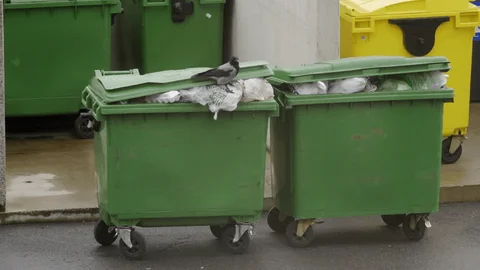
Depending on the service and container type, commonly accepted materials may include:
- Household clutter
- Furniture
- Wood
- Drywall
- Cabinets
- Flooring
- Siding
- Roofing debris
- Yard debris
- Packaging
- Nonhazardous construction waste
Heavy materials may require a dedicated container or a lower fill line because weight can become the limiting factor before volume.
When comparing dumpster rental services, confirm whether the container is approved for mixed household waste, construction debris, roofing material, yard waste, or heavy clean-load material.
Restricted and Prohibited Materials
Materials that commonly require advance approval or separate disposal include:
- Paint
- Chemicals
- Solvents
- Fuel
- Batteries
- Tires
- Refrigerators and air conditioners
- Propane tanks
- Medical waste
- Asbestos-containing material
- Certain electronics
- Liquids
- Contaminated soil
A junk removal crew may accept some items that cannot enter a standard dumpster, but that does not mean every crew can take hazardous material. Ask how each restricted item will be handled.
Long Island municipalities may offer separate programs or facilities for certain household hazardous materials and electronics. For example, the Town of Islip directs residents to designated programs and facilities for qualifying hazardous waste and electronics. d Dumpster Placement and Permit Considerations
There is no single permit rule covering every Long Island address.
Requirements can depend on:
- Your town
- Your incorporated village
- Whether the container is on private property
- Whether it occupies a public street or right-of-way
- How long it will remain
- The provider or hauler
- The type of project
A dumpster placed fully on a private driveway may be treated differently from one placed on a public street. Some municipalities regulate roll-off container placement, solid-waste haulers, or container permits.
For example, the Town of Hempstead has rules concerning roll-off containers placed on streets or town-owned property. Huntington requires waste-collection businesses operating in the town to hold the appropriate license and permit, while Islip maintains its own solid-waste service and container requirements. ry, ask:
- Is a permit required at this exact address?
- Who obtains it—the customer or provider?
- Is street placement allowed?
- Are reflective markings, cones, or covers required?
- Are there time limits?
- Does the village have rules separate from the town?
- Is the hauler authorized to operate in the municipality?
Do not wait until delivery day to investigate placement. A blocked or unapproved location can delay the project and may lead to an unsuccessful trip charge.
A Simple Decision Checklist
Rent a dumpster when:
- Debris will build up over several days
- You have a large amount of waste
- You can safely handle the loading
- You have an approved placement area
- You want to work at your own pace
- You are completing a renovation or construction project
- You want predictable capacity on-site
Hire junk removal when:
- You have only a few items
- The items are heavy or awkward
- You cannot perform the lifting safely
- Everything is ready for removal
- You need the property cleared quickly
- You have limited space for a container
- You prefer a hands-off service
Consider both services when:
- The project contains both light debris and heavy furniture
- You are handling a large estate cleanout
- A renovation is followed by an appliance or furniture removal
- You want to control costs without handling the most difficult items
Questions to Ask Before Requesting a Quote
Prepare the following information:
- Cleanup address
- Town and village, if applicable
- Project type
- Estimated amount of debris
- Material types
- Heavy or restricted items
- Desired delivery or pickup date
- Expected project length
- Driveway or street placement
- Access limitations
- Whether labor is needed
Then ask the provider:
- What size or service level do you recommend?
- What is included in the quoted price?
- How much weight is included?
- What materials are prohibited?
- What happens if the load exceeds the limit?
- What are the charges for extra days?
- Who confirms permit requirements?
- How will the driveway or placement surface be protected?
- What access does the delivery or removal truck require?
- When will the container or material be picked up?
A clear description of the project is more useful than simply asking, “What is your cheapest dumpster?”