
Construction work creates debris fast.
A small repair can turn into piles of drywall, wood, flooring, packaging, old fixtures, broken tile, and dust-covered waste. A larger remodel or demolition job can fill a driveway before the project is even halfway done.
That is why a construction dumpster rental Long Island project should be planned before the debris gets out of control.
The right dumpster helps keep the work area cleaner, safer, and easier to manage. The wrong dumpster can create delays, overage fees, pickup problems, and extra stress.
Before you book, you need to understand three things clearly: the size you need, the type of debris you are loading, and how the dumpster will be delivered and picked up.
Trusted Construction Dumpster Guidance for Safer Cleanup Planning
Trusted dumpster rental and waste cleanup guidance that turns confusing dumpster sizes, debris rules, rental costs, placement questions, and booking steps into clear next moves. Focused on helping homeowners, renters, landlords, contractors, and business owners plan cleaner projects, reduce safety risks, avoid costly disposal mistakes, and choose the right dumpster before construction debris starts piling up.
Quick Answer: What Should You Know Before Renting a Construction Dumpster?
Before renting a construction dumpster on Long Island, confirm the project type, debris type, dumpster size, weight limit, rental period, and placement area. For light remodeling debris, a 10, 15, or 20 yard dumpster may be enough. For larger renovations, demolition work, roofing, or contractor projects, a 30 or 40 yard dumpster may be a better fit.
If you are throwing away heavy materials like concrete, brick, dirt, asphalt, or tile, ask before booking. Heavy debris can reach the weight limit quickly, even when the dumpster does not look full.
Construction Dumpster Rental at a Glance
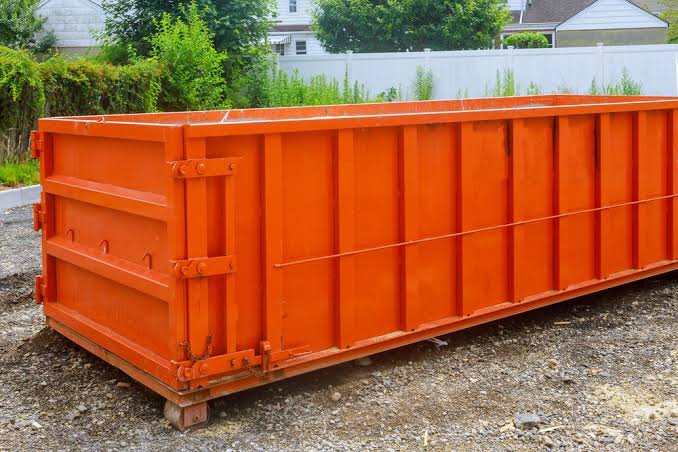
Here is the simple version:
- A construction dumpster is best for renovation, remodeling, demolition, roofing, flooring, and jobsite cleanup.
- Common sizes include 10, 15, 20, 30, and 40-yard dumpsters.
- Light debris and heavy debris should not always be mixed.
- Concrete, brick, dirt, asphalt, and tile need special attention because of weight.
- Driveway placement is usually easier than street placement.
- Street placement may need local approval.
- Ask about delivery, pickup, rental period, weight limit, and extra fees before booking.
- Do not place hazardous materials, liquids, batteries, chemicals, paint, or restricted items in the dumpster unless the company clearly approves them.
What Is a Construction Dumpster Rental?
A construction dumpster rental is a temporary roll-off container used to collect debris from building, remodeling, repair, and demolition work.
It is delivered to your property or jobsite, placed in an approved area, filled during the project, and then hauled away for disposal.
A construction dumpster is useful when regular trash bags, curbside pickup, or repeated dump runs are not enough.
It can help with debris from:
- home remodeling
- kitchen renovations
- bathroom renovations
- electrical repair work that opens walls or ceilings
- flooring removal
- roofing projects
- siding work
- deck removal
- demolition cleanup
- contractor jobs
- rental property repairs
- commercial renovation projects
The main goal is simple: keep debris contained so the project can move forward safely.
When Does a Construction Dumpster Make Sense?
A dumpster makes sense when the waste is too bulky, too heavy, or too much for normal trash pickup.
It also makes sense when debris could create a safety issue on the property.
Home Renovations and Remodeling
Home renovations create mixed debris. You may have wood, drywall, cabinets, countertops, flooring, trim, fixtures, insulation, packaging, and general junk all at once.
For smaller remodels, a 10 or 15 yard dumpster may work. For kitchen remodels, multi-room projects, or larger interior renovations, a 20 or 30 yard dumpster may be safer.
The biggest mistake is waiting too long. Once debris spreads across the driveway, garage, or work area, cleanup becomes harder.
Electrical Repair and Wall Opening Projects
Some electrical problems require walls, ceilings, cabinets, or flooring to be opened. That can create debris even if the electrical job itself is not huge.
You may need to dispose of:
- drywall pieces
- wood scraps
- old boxes and fixtures
- damaged trim
- insulation
- packaging from new materials
- broken panels or removed materials
Be careful with electrical-related waste. Do not place batteries, bulbs, chemicals, liquids, or questionable electrical items in the dumpster unless the rental company confirms they are allowed.
If the project involves damage repair, smoke damage, water damage, or old materials, ask about restrictions before loading.
Contractor and Jobsite Cleanup
For contractors, a dumpster is not just about convenience. It helps protect jobsite flow.
A clean jobsite is easier to work on. It reduces trip hazards, keeps crews moving, and makes the property look more controlled.
Contractors should ask about:
- delivery timing
- pickup timing
- container swaps
- weight limits
- accepted debris
- street placement rules
- project length
- access for trucks
For active jobs, pickup scheduling matters as much as the dumpster size.
Common Construction Dumpster Sizes
Dumpster sizes are measured in cubic yards. The right size depends on the amount of debris, the weight of the material, and the space available for delivery.
10 Yard Dumpster
A 10 yard dumpster is usually best for smaller construction or repair projects.
Good for:
- small bathroom remodels
- light drywall removal
- small flooring jobs
- minor repairs
- small deck removal
- small cleanouts with light construction debris
This size is also useful when space is limited. If you are dealing with heavy debris like concrete, brick, or dirt, a smaller dumpster may be required because of weight.
15 or 20 Yard Dumpster
A 15 or 20 yard dumpster is a strong middle option for many homeowners.
Good for:
- kitchen renovations
- medium remodeling jobs
- flooring removal
- cabinet removal
- drywall and wood debris
- basement or garage projects
- small roofing jobs
- mixed renovation debris
A 20 yard dumpster is often a smart choice when you are not sure if a 10 yard dumpster will be enough. It gives more space without being too large for many residential driveways.
A good dumpster rental agency should ask what you are throwing away before recommending a size.
30 Yard Dumpster
A 30 yard dumpster is better for larger construction and renovation jobs.
Good for:
- major home renovations
- demolition cleanup
- large flooring projects
- large roofing jobs
- commercial renovation debris
- contractor jobs
- bulky construction waste
This size gives more room for bulky material, but it also needs more space for delivery and placement.
40 Yard Dumpster
A 40 yard dumpster is usually for bigger construction projects, large commercial jobs, major demolition, or high-volume debris.
Good for:
- large building cleanouts
- major remodeling
- commercial construction debris
- warehouse cleanup
- large demolition projects
Not every residential property has enough space for a 40 yard dumpster. Before booking one, confirm truck access, placement space, and local rules.
Construction Debris Types You Can Usually Load
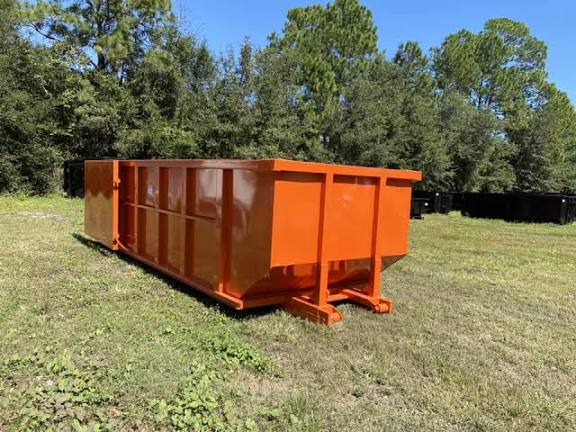
Construction dumpsters can often handle many common building and remodeling materials. Still, rules can change by company, location, and debris type.
Always confirm before loading.
Wood, Drywall, Flooring, and Cabinets
These are common renovation materials.
You may be able to load:
- drywall
- plaster
- wood scraps
- trim
- cabinets
- doors
- plywood
- laminate flooring
- carpet
- tile
- vinyl flooring
- old vanities
- countertops
If the debris is mixed with heavy materials, ask first. Weight can change the quote.
Roofing, Siding, and Demolition Debris
Roofing and demolition debris can get heavy quickly.
Common materials may include:
- shingles
- siding
- underlayment
- wood
- nails
- flashing
- gutters
- framing debris
- demolition scraps
Roofing shingles are especially important to discuss before booking because they can be dense and heavy.
Concrete, Brick, Dirt, and Heavy Materials
Heavy debris needs special planning.
This includes:
- concrete
- brick
- block
- dirt
- asphalt
- stone
- tile
- gravel
These materials can hit the weight limit before the dumpster is full. You may need a smaller container, a clean-load dumpster, or special pricing.
Do not guess here. Tell the company exactly what you are loading.
What You Should Not Put in a Construction Dumpster
Some materials may be restricted or not accepted.
Ask before loading:
- paint
- chemicals
- batteries
- tires
- propane tanks
- liquids
- oil
- fuel
- asbestos
- pesticides
- fluorescent bulbs
- medical waste
- hazardous materials
- certain appliances
- electronics
- contaminated materials
This matters because one wrong item can delay pickup or create extra charges.
If you are working on an older home, be extra careful. Older materials may need special handling.
Do You Need a Permit for a Construction Dumpster on Long Island?
Permit needs depend mostly on where the dumpster will sit.
Driveway Placement
Driveway placement is usually the easiest option.
Before delivery, make sure:
- the driveway is clear
- the surface is firm and flat
- there are no low wires or branches
- the truck has room to back in
- the dumpster will not block access you need
- the area can handle the container safely
If you are worried about driveway damage, ask about boards, surface protection, or driveway-friendly options.
Street or Public Property Placement
Street placement can be more complicated.
If the dumpster sits on a street, sidewalk, curb lane, or public right-of-way, local approval may be required. Rules can vary by town, village, and county.
Before booking, ask:
- Can the dumpster be placed on the street?
- Do I need a permit?
- Who gets the permit?
- How long can it stay there?
- Are cones or safety markings required?
- Will it block traffic, neighbors, or emergency access?
Do not leave this until delivery day. If the driver arrives and the placement is not allowed, the dumpster may not be dropped off.
What Affects Construction Dumpster Rental Pricing?
Construction dumpster rental pricing can vary because every project is different.
The main cost factors are:
- dumpster size
- debris type
- debris weight
- delivery location
- rental period
- disposal fees
- pickup schedule
- extra days
- overweight charges
- special handling for heavy material
A clear quote should explain what is included.
Before you book, ask:
- Is delivery included?
- Is pickup included?
- How many days are included?
- What is the weight limit?
- What happens if I go over the limit?
- Are there extra fees for certain materials?
- Can I schedule an early pickup?
- Can I request a swap if the dumpster fills up?
Do not choose only by the lowest price. A cheap quote can become expensive if the weight limit is too low or the rules are unclear.
Booking Tips Before You Schedule Delivery
Before you book your dumpster, take a few minutes to prepare.
Here is what to do:
- Know your project type
Is it roofing, remodeling, demolition, flooring, electrical repair, or general construction cleanup? - List your debris types
Write down what you are throwing away. Mention heavy materials clearly. - Estimate the amount of debris
If you are unsure, describe the project in detail. - Take photos if needed
Photos can help the rental team recommend the right size. - Choose the placement area
Decide whether the dumpster will go in the driveway, yard, jobsite, or street. - Clear the delivery space
Move cars, tools, trash cans, equipment, and anything blocking the drop-off area. - Ask about pickup timing
Do not assume pickup is automatic. Ask how to schedule it. - Confirm the rental period
Make sure the included time matches your project schedule. - Ask about swaps
For larger projects, you may need one dumpster picked up and another dropped off. - Confirm prohibited materials
This protects you from pickup delays and surprise charges.
The better your information, the easier it is to get the right dumpster.