

Tearing out cabinets, drywall, flooring, fixtures, or an old deck can create far more waste than expected. The right dumpster keeps that debris in one place, protects the work area, and helps you avoid repeated trips to a disposal facility.
The hard part is choosing the correct size.
A small bathroom tear-out may fit in a 10- or 15-yard container. A complete kitchen demolition often needs a 20-yard dumpster. Multi-room projects may require 30 yards or more.
But size is only half the decision. Tile, brick, concrete, stone, and dirt can make a container too heavy before it looks full.
Primary action: Estimate your project by room count, debris type, and weight before scheduling delivery.
Secondary action: Use the comparison table below to find the most likely starting size.
What Size Dumpster Do You Need for Demolition Debris?
For most small tear-outs, start with a 10- or 15-yard dumpster. A full kitchen, large flooring project, or medium renovation often needs a 20-yard dumpster. Multi-room demolition usually calls for a 30-yard container. A 40-yard dumpster is better for major projects with large amounts of bulky, lighter debris.
Concrete, brick, dirt, stone, and thick tile may require a smaller or special heavy-debris container because weight limits can be reached before the dumpster is physically full.
Demolition Dumpster Sizes at a Glance
Dumpster size | Common tear-out projects | Approximate capacity | Main caution |
10 yards | Small bathroom, single-room tear-out, concrete, brick or tile | About 3–4 pickup loads | Can reach its weight limit quickly |
15 yards | Bathroom remodel, small kitchen update, cabinets and drywall | About 4–5 pickup loads | Availability varies by provider |
20 yards | Full kitchen, flooring removal, deck demolition, medium renovation | About 6–8 pickup loads | Heavy tile or masonry may require a separate load |
30 yards | Multi-room gut renovation, garage demolition, large additions | About 9–12 pickup loads | Needs more delivery and placement space |
40 yards | Major residential or commercial demolition with bulky debris | About 12–16 pickup loads | Not normally the best choice for dense concrete or dirt |
Pickup-load comparisons are only visual estimates. Actual capacity depends on how the debris is broken down and loaded. Dimensions can also vary between dumpster companies and manufacturers.
How to Choose the Right Demolition Dumpster Rental
Choosing a dumpster only by the number on its side can lead to an expensive mistake. A better decision starts with three questions:
- How much of the property are you tearing out?
- What materials will come out?
- Will the load run out of space or run out of weight first?
Start With the Size of the Tear-Out
Think about the actual demolition area.
A single half-bath produces much less debris than a large primary bathroom with a tub, tile walls, and a thick mortar bed. Replacing a few kitchen cabinets is different from removing every cabinet, countertop, appliance, wall covering, and floor layer.
Use these project levels as a starting point:
- Small:One bathroom, closet, small shed, or limited wall removal
- Medium:Full kitchen, large deck, several rooms of flooring, or basement renovation
- Large:Multi-room gut renovation, garage demolition, major addition, or whole-house work
Do not count only the visible finish materials. Old buildings may hide extra flooring, plaster, damaged wood, insulation, tile backer, or several remodeling layers.
Identify What the Debris Is Made Of
Different materials fill a dumpster in different ways.
Cabinets, wood framing, carpet, insulation, and vinyl siding are bulky. They take up space but are lighter than masonry.
Concrete, brick, stone, dirt, mortar, and ceramic tile are dense. They may leave plenty of open space while pushing the load beyond its allowed weight.
Drywall, wood, cabinets, roofing, flooring, metal, brick, and concrete are all common construction and demolition materials, but they may not be handled under the same price or disposal rules.
Calculate for Weight, Not Just Empty Space
A larger dumpster does not always mean you can load more heavy material.
Rental providers must be able to lift the container and transport it safely. A large container filled with concrete or dirt may be too heavy to haul.
Before ordering, tell the provider:
- Whether concrete is included
- Whether tile has a mortar bed
- Whether brick or stone is being removed
- Whether the load contains soil
- Whether heavy material will be mixed with wood or drywall
- Approximately how many square feet are being demolished
This helps the provider recommend the correct container and weight allowance.
What Each Dumpster Size Can Handle
10-Yard Dumpster for Small or Heavy Debris
A 10-yard dumpster is a practical choice for a small room, limited demolition work, or a dense load.
Common uses include:
- Small bathroom tear-out
- Concrete patio removal
- Brick or block removal
- Small deck demolition
- One room of flooring
- Plaster or drywall from a limited area
- Small shed removal
It is also easier to place on a residential property than a tall 30- or 40-yard container.
A 10-yard dumpster is often recommended for concrete, dirt, and other heavy materials because its smaller volume helps control the total load weight.
Choose a larger size when the project includes bulky cabinets, long framing pieces, furniture, or debris from more than one room.
15-Yard Dumpster for Bathroom and Small-Room Tear-Outs
A 15-yard dumpster provides more room without taking up the space of a full-length 20-yard container.
It may work well for:
- Full bathroom renovation
- Small kitchen cabinet replacement
- Carpet and flooring removal
- Interior doors and trim
- Drywall from one or two rooms
- Small deck or porch removal
- Light renovation waste
This size can be especially useful when a 10-yard dumpster feels too tight but a 20-yard container would use too much driveway space.
However, 15-yard dumpsters are not offered in every service area. Confirm availability before building the entire cleanup plan around this size.
20-Yard Dumpster for Kitchens and Medium Renovations
A 20-yard dumpster is one of the most useful options for residential tear-out debris.
Common projects include:
- Full kitchen demolition
- Large bathroom renovation
- Flooring removal across several rooms
- Medium deck demolition
- Basement renovation
- Cabinet, countertop, and drywall removal
- Light garage cleanout combined with renovation debris
A kitchen can fill a dumpster quickly. Cabinets do not compress well. Countertops add weight. Tile flooring may include mortar, cement board, and more than one hidden layer.
For many complete kitchen tear-outs, a 20-yard container provides a practical balance between capacity and driveway space. Larger kitchens, open-concept wall removal, or combined kitchen and dining-room work may need 30 yards.
30-Yard Dumpster for Multi-Room Demolition
A 30-yard dumpster is better for projects that affect several areas of a property.
Common uses include:
- Multi-room gut renovation
- Large home addition
- Garage demolition
- Whole-floor flooring removal
- Large deck or porch removal
- Complete rental-property renovation
- Bulky wood and drywall debris
- Interior demolition in a small commercial space
A 30-yard container usually has the same general ground footprint as a 20-yard dumpster but has taller walls.
That added height gives you more capacity. It also makes loading heavy pieces over the side more difficult. Use the container door when available rather than lifting heavy material over the wall.
40-Yard Dumpster for Major Bulky Demolition Debris
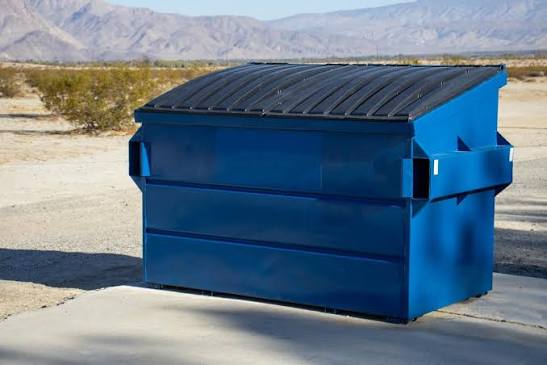
A 40-yard dumpster is one of the largest common roll-off sizes.
It may be appropriate for:
- Major whole-house renovation
- Large commercial interior demolition
- Bulky wood framing
- Siding and insulation
- Large amounts of drywall
- Warehouse or storefront tear-out
- Multiple-room renovation debris
Do not assume that the largest dumpster is always the safest choice.
A 40-yard container filled with concrete, soil, brick, or stone can become too heavy to transport. Dense debris may need a 10-yard low-sided container, several smaller loads, or a separate recycling arrangement.
Dumpster Size Recommendations by Demolition Project
Bathroom Tear-Out
A 10-yard dumpster may be enough for a basic bathroom remodel involving:
- Vanity
- Toilet
- Small amount of drywall
- Vinyl flooring
- Light fixtures
- Trim
Consider a 15-yard dumpster when the work includes:
- Bathtub
- Tile walls
- Tile floor
- Cement board
- Large vanity
- Shower enclosure
- Debris from an adjoining room
Tile and mortar can add weight quickly. Tell the provider how much tiled area is being removed.
Kitchen Demolition
A partial cabinet and countertop replacement may fit in a 15-yard container.
A complete kitchen tear-out will often need a 20-yard dumpster because the load can include:
- Upper and lower cabinets
- Island cabinets
- Countertops
- Backsplash
- Sink
- Flooring
- Underlayment
- Drywall
- Packaging from new materials
Choose 30 yards when removing walls, opening the kitchen into another room, or renovating more than one major area.
Flooring Removal
Dumpster size depends on both square footage and floor type.
Carpet and vinyl are bulky but comparatively light.
Hardwood is heavier and may include plywood or underlayment.
Tile is much heavier because mortar, backer board, or a thick setting bed may come out with it.
A 10- or 15-yard container may work for one or two rooms. A 20-yard dumpster is a better starting point for several rooms. Whole-house flooring removal may require a 30-yard container or separate loads when tile is involved.
Deck or Shed Demolition
A small shed or deck may fit in a 10-yard dumpster when:
- The structure is mostly wood
- It has no concrete foundation
- Roofing is limited
- Lumber is cut into manageable pieces
A larger deck, attached porch, or shed with roofing, siding, windows, and a foundation may need 15 or 20 yards.
Breaking long boards into shorter sections helps reduce empty gaps.
Garage Demolition
A small detached garage may require a 20- or 30-yard dumpster, but the correct plan depends on:
- Garage dimensions
- Roofing material
- Concrete slab
- Siding
- Wall construction
- Stored contents
- Doors and windows
The concrete slab should usually be discussed as a separate heavy-material load. Mixing a large amount of concrete with bulky wood and roofing can create pricing and weight problems.
Whole-House or Multi-Room Gut Renovation
A multi-room gut renovation commonly needs a 30- or 40-yard dumpster, multiple container swaps, or separate containers for different materials.
A single large dumpster may not cover the full project when demolition happens in phases.
Plan pickups around:
- Initial interior tear-out
- Flooring and wall removal
- Kitchen and bathroom demolition
- Exterior or roofing work
- Final construction cleanup
For local availability, a demolition dumpster rental should be scheduled around the demolition sequence rather than ordered after debris has already blocked the work area.
Tear-Outs for Electrical Repairs and Rewiring
Electrical projects can require sections of drywall, plaster, ceilings, flooring, or cabinetry to be removed so wiring and electrical boxes can be reached.
Do not begin demolition around active electrical service.
Power and other utilities should be shut off, controlled, relocated, or protected before demolition begins. OSHA’s demolition guidance also calls for identifying nearby utilities and assessing site hazards before work starts.
Use a qualified electrician when the project involves:
- Live wiring
- Damaged service equipment
- Electrical panels
- Fire-damaged circuits
- Unknown wiring inside walls
- Water near electrical components
- Utility disconnection
Separate batteries, fluorescent lamps, chemicals, and similar items rather than burying them under general construction debris.
Why Demolition Debris Weight Can Change the Dumpster Size
Bulky Debris Versus Dense Debris
Bulky debris uses physical space.
Examples include:
- Cabinets
- Carpet
- Insulation
- Wood framing
- Siding
- Hollow doors
- Furniture
Dense debris uses weight capacity.
Examples include:
- Concrete
- Brick
- Stone
- Dirt
- Mortar
- Thick plaster
- Ceramic tile
A 30-yard dumpster may be useful for bulky wood and drywall. The same container may be unsuitable for a full load of concrete.
Concrete, Brick, Tile, Dirt, and Stone
Tell the provider when any dense material is included.
Ask:
- Is a heavy-debris container required?
- Is there a maximum fill level?
- Can different heavy materials be mixed?
- Does clean concrete receive different pricing?
- What weight is included?
- What is the overage charge?
- Can the container be placed close to the work area?
Some companies require heavy material to remain below a marked level even when the container has more empty space above it.
Clean Loads Versus Mixed Loads
A clean load contains one accepted material, such as:
- Concrete only
- Brick only
- Asphalt only
- Dirt only
- Metal only
A mixed load may contain:
- Wood
- Drywall
- Cabinets
- Tile
- Carpet
- Fixtures
- Household junk
Clean loads may be easier to recycle. Mixed loads may be charged or processed differently.
Do not assume that concrete can be mixed with household trash, drywall, paint cans, and electrical waste. Describe the full load before ordering a construction debris dumpster.
What Cannot Go in a Demolition Dumpster?
Accepted items vary, but commonly restricted materials may include:
- Wet paint
- Solvents
- Oils
- Fuels
- Pesticides
- Chemicals
- Batteries
- Propane tanks
- Asbestos-containing material
- Certain electronics
- Refrigerators or air conditioners containing refrigerant
- Fluorescent lamps
- Medical waste
- Hot ashes
The EPA identifies paint, cleaners, oils, batteries, and pesticides as products that can require special care during disposal. Mercury-containing bulbs should also be recycled or handled through an approved collection option.
Older homes may contain lead-based paint or asbestos-containing materials. Regulations and required procedures depend on the building, work type, location, and person performing the work. Contractors working on certain pre-1978 housing renovations may be subject to lead-safe requirements.
Never hide restricted material beneath regular debris. Ask the provider for its written prohibited-item list.
What Affects Demolition Dumpster Rental Cost?
The quoted price should be reviewed as a complete package.
Ask whether it includes:
- Delivery
- Pickup
- Rental days
- Container size
- Included weight
- Disposal fees
- Fuel charges
- Taxes
- Driveway protection
- Additional-day charges
- Weight overages
- Failed-delivery charges
- Extra pickups
- Prohibited-item fees
The lowest starting price may not be the lowest final price.
A smaller dumpster may cost less initially but require a second haul. A larger container may provide more room but include a higher base price. A heavy load may also create overage fees even when the container is not full.
When comparing a roll-off dumpster rental, provide each company with the same project description. This makes the quotes easier to compare.
Where and When Should the Dumpster Be Delivered?
Schedule delivery before demolition begins.
A central container keeps broken materials from spreading through the driveway, yard, or work area.
Before delivery, check:
- Driveway width
- Available container space
- Truck access
- Overhead power lines
- Tree branches
- Gates
- Parked vehicles
- Soft ground
- Slope
- Underground systems
- Public-street restrictions
The delivery truck needs more room than the dumpster itself. Ask how much straight-line and overhead clearance the driver needs.
Protect finished surfaces when necessary. Wood boards or another provider-approved method may help distribute the container’s load, but placement instructions should come from the rental company.
A street placement may require a local permit. Driveway placement may reduce that issue, but local rules differ.
Keep the dumpster through the final demolition stage rather than scheduling pickup as soon as the first room is clear. Hidden layers and last-minute tear-outs often create more debris.
Common Dumpster Sizing and Loading Mistakes
Choosing Only by Physical Volume
A container can look half empty and still be overweight.
Always consider the material.
Ordering Too Small to Save Money
A second rental, extra pickup, or delayed crew can cost more than moving up one size.
Choosing the Largest Dumpster for Concrete
Large capacity does not remove hauling limits. Dense material often belongs in a smaller heavy-debris container.
Mixing Restricted Materials
Paint, batteries, chemicals, lamps, and similar waste should not be hidden in demolition debris.
Loading Above the Fill Line
Debris must normally stay level with or below the top edge. Material sticking above the container can be unsafe to transport.
Leaving Large Empty Gaps
Break down cabinets, long boards, and bulky fixtures when it is safe to do so. Load flat materials along the bottom and sides.
Blocking the Container Door
Do not build a debris pile directly behind the swinging door. Plan the loading path before work begins.
Ignoring Delivery Access
The container may fit in the driveway while the delivery truck does not.
Booking Too Late
Popular sizes may be unavailable during busy construction periods. Schedule before the demolition date is fixed.