

Renting a dumpster should make a cleanup easier. However, a few simple dumpster rental mistakes can leave you paying for extra weight, another pickup, additional rental time, or a second container.
Most of those problems can be prevented before the dumpster even reaches your property. You simply need to know what to ask, what you plan to throw away, and how much space you are likely to need.
Quick Answer
The most common dumpster rental mistakes are choosing the wrong size, ignoring the weight limit, loading prohibited materials, filling above the permitted level, choosing a poor delivery location, misjudging the rental period, and focusing only on the advertised price. Before renting, explain your project and debris to the provider, confirm the rental terms, and ask about anything you are unsure about.
Dumpster Rental Mistakes at a Glance
Here are the seven mistakes worth checking before your cleanup begins:
- Choosing the wrong dumpster size
- Ignoring the dumpster’s weight limit
- Throwing prohibited items into the container
- Loading debris above the permitted fill level
- Choosing the wrong delivery location
- Misjudging how long you need the dumpster
- Looking only at the advertised rental price
Each one sounds small. Yet any of them can affect your final cost or slow down the project.
Mistake #1: Choosing the Wrong Dumpster Size
Choosing a dumpster based on guesswork is one of the easiest ways to spend more than necessary.
A container that is too small may fill before your cleanup is finished. As a result, you may need another haul, a container swap, or another rental.
Going too large has a different problem. You could pay for capacity that your project never uses.
How to Choose the Right Dumpster Size
Start with the project rather than the dumpster dimensions.
Think about what you are removing. A garage cleanout filled with boxes and furniture is very different from a bathroom demolition containing tile, drywall, and fixtures.
Then explain the project to the rental provider.
Tell them:
- what you are cleaning or renovating
- roughly how much material you expect
- whether large furniture is involved
- whether you have construction debris
- whether heavy material will be loaded
An experienced dumpster rental company can use those details to help match the container to the job.
The important point is simple: do not choose purely because one dumpster has the lowest upfront price.
Mistake #2: Ignoring the Dumpster’s Weight Limit
A dumpster has both space and weight limitations.
Those are not the same thing.
You can have room left inside the container and still reach its allowed weight if the debris is dense. This is particularly important when a project involves materials such as concrete, brick, tile, dirt, or roofing debris.
Heavy Debris Can Reach the Limit Faster Than You Expect
Imagine loading household furniture into one dumpster and broken concrete into another.
The two containers could look equally full while weighing very different amounts.
That is why you should tell your roll-off dumpster rental service what type of material you intend to load before you choose the container.
Ask these questions before booking:
- How much weight is included?
- What happens if I exceed that amount?
- Are certain heavy materials handled differently?
- Should heavy debris go into a different dumpster?
Do not estimate weight by looking at how full the container appears.
Volume tells you how much room you have. It does not necessarily tell you how heavy the load has become.
Mistake #3: Throwing Prohibited Items Into the Dumpster
Not every item from a cleanout belongs in a standard dumpster.
Rental companies and disposal facilities can have restrictions on certain materials. Therefore, one of the safest rules is to never assume an unfamiliar item is acceptable.
Common questions often involve chemicals, paint, batteries, tires, propane tanks, electronics, appliances, and other materials that may require different handling.
Ask Before Loading Questionable Materials
Create two piles while you clean.
The first is for debris you know the provider accepts. The second is for anything you need to ask about.
Then confirm questionable items before they go into the dumpster.
This becomes especially important when several family members or workers are helping with the cleanup. Someone who does not know the rental rules can easily throw an unsuitable item into the container.
Different providers and disposal locations can have different requirements, so confirmation is better than assumption. Current rental guides repeatedly advise customers to check questionable materials before loading them.
Mistake #4: Filling the Dumpster Above the Load Line
When a container is almost full, squeezing in a few more pieces can feel like the economical choice.
It may not be.
Debris that extends above the permitted loading level can create problems when the dumpster needs to be transported. A rental provider may require the material to be rearranged or removed before pickup.
That can turn cleanup day into an unnecessary delay.
What to Do When You Are Running Out of Space
Pay attention to the container while you load it.
Do not wait until debris is piled well above the top before deciding what to do.
Instead:
- break down bulky items when appropriate
- distribute material sensibly
- avoid leaving large empty gaps
- monitor the fill level throughout the project
- contact the provider if the dumpster is filling much faster than expected
You may discover that another pickup or different container is needed.
That is better than discovering the problem when the truck arrives.
For larger projects, professional dumpster rental services can also help you think through container capacity before loading begins.
Mistake #5: Choosing the Wrong Place for Dumpster Delivery
People spend plenty of time deciding what dumpster they need and almost no time thinking about where it will actually sit.
Placement matters.
The delivery truck needs suitable access, and you need enough room to use the dumpster without creating another problem around your property.
Prepare the Delivery Area Before the Truck Arrives
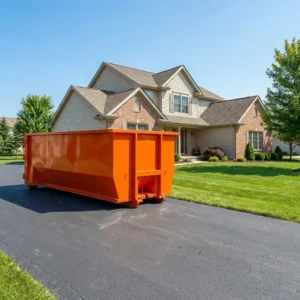
Look at the proposed spot from the driver’s point of view.
Is the route clear?
Check for:
- parked vehicles
- gates
- tight turns
- low obstacles
- soft or unstable ground
- limited working space
- anything blocking delivery or pickup
A firm, accessible location usually makes loading easier as well.
Street or public-property placement can also be subject to local requirements. Check applicable rules before delivery rather than assuming that the container can be placed anywhere.
Good placement can prevent a very simple problem: having the right dumpster arrive but no practical place to put it.
Mistake #6: Misjudging How Long You Need the Dumpster
People regularly underestimate project timelines.
A weekend cleanout becomes a week. A renovation takes longer because another repair appears after demolition begins.
Your waste plan needs to account for that possibility.
Plan Delivery and Pickup Around the Actual Project
Before booking, divide the project into stages.
For example:
- preparation
- demolition or cleanout
- debris loading
- final cleanup
- pickup
Then estimate when the dumpster is genuinely needed.
Also ask the rental provider what happens if the project runs longer than expected. Rental periods and extension policies vary, so knowing the terms beforehand makes planning easier.
On the other hand, do not leave a dumpster sitting unnecessarily after the work is complete.
Once the debris is loaded and the project is finished, arrange pickup according to your rental agreement.
The same planning applies when comparing dumpsters with other waste removal services. The cheapest-looking option is not necessarily the best fit if the timing does not match the project.
Mistake #7: Looking Only at the Advertised Rental Price
A low advertised price can attract your attention.
However, it does not tell you everything you need to know about the rental.
Instead of asking only, “How much is the dumpster?” ask what that price actually includes.
Ask What Your Dumpster Rental Price Includes
Before agreeing to the rental, ask about:
- delivery
- pickup
- included rental period
- included weight
- additional weight
- rental extensions
- prohibited-material charges
- special disposal requirements
- unsuccessful or additional trips
- other possible charges relevant to your project
You do not need to assume there are hidden charges.
You simply need to understand the terms before the project begins.
That allows you to compare providers using the complete rental arrangement rather than one advertised number.
For a renovation project, the same approach applies when choosing a home renovation dumpster rental. Explain the work first so the quote can be matched to the type and volume of debris you expect.
Questions to Ask Before Renting a Dumpster
A five-minute conversation before booking can answer most of the questions that cause problems later.
Use this checklist:
- What dumpster size fits my project?
- What weight is included?
- What materials cannot go into the dumpster?
- Are any of my materials treated as heavy debris?
- Where should the dumpster be placed?
- What access does the delivery truck require?
- How long is the standard rental period?
- What happens if I need additional days?
- How full can I load the container?
- What charges could apply beyond the quoted rental price?
- How do I arrange pickup?
- Is there anything about my particular project that I should know before loading?
You do not need to become a dumpster expert before renting one.
You just need to give the provider enough information to help you avoid preventable problems.