
Cleaning out a house, garage, rental property, office, or renovation site can get messy fast. A dumpster makes the job easier, but one big question comes up before almost every rental:
What can actually go inside?
The simple answer is this: most non-hazardous household junk, construction debris, furniture, wood, cardboard, roofing materials, and general cleanup waste can usually go in a dumpster rental. But paint, chemicals, electronics, batteries, tires, Freon appliances, and other hazardous materials usually need separate disposal.
Before you start loading, it is smart to know the rules. That can help you avoid extra fees, refused pickup, and unsafe waste handling.
What Can You Put in a Dumpster Rental?
You can usually put household junk, old furniture, drywall, lumber, flooring, cabinets, carpet, cardboard, roofing shingles, yard debris, and other non-hazardous materials in a dumpster rental.
You should not put hazardous waste, wet paint, chemicals, oil, gasoline, propane tanks, car batteries, electronics, tires, asbestos, medical waste, or appliances that contain Freon in a standard dumpster.
If you are not sure about one item, ask before loading it. That one quick question can save you from a rejected load or extra disposal charge.
At a Glance: Allowed, Check First, and Not Allowed
Usually Allowed | Ask First | Not Allowed |
Household junk | Mattresses | Wet paint |
Old furniture | Appliances | Chemicals |
Drywall | Concrete | Batteries |
Lumber | Brick | Electronics |
Flooring | Dirt | Tires |
Cabinets | Large yard waste | Propane tanks |
Carpet | Upholstered furniture | Gasoline |
Cardboard | Heavy debris | Medical waste |
Roofing shingles | Food waste | Asbestos |
Small yard debris | Large metal items | Freon appliances |
Common Items You Can Put in a Dumpster Rental
Most cleanup projects create a mix of junk, debris, and bulky items. If the waste is dry, non-hazardous, and safe to handle, it can usually go in the dumpster.
Household Junk and General Clutter
For home cleanouts, apartment cleanouts, estate cleanouts, and garage cleanouts, dumpsters are commonly used for:
- Boxes
- Clothing
- Toys
- Rugs
- Curtains
- Books
- Dishes
- Pots and pans
- Small non-hazardous household items
- Broken household goods
- General clutter
This is one of the most common reasons people search for what can you put in a dumpster rental. Instead of making several dump runs, you can load the debris in one place and have it hauled away.
Remodeling and Construction Debris
For home improvement and contractor projects, a dumpster can usually take:
- Drywall
- Wood
- Lumber
- Cabinets
- Flooring
- Tile
- Carpet
- Doors
- Windows
- Siding
- Countertops
- Bathroom fixtures
- Non-hazardous demolition debris
This is helpful for kitchen remodels, bathroom renovations, basement work, flooring replacement, and rental property repairs.
Just remember: heavy materials can add weight fast. If you are tossing tile, plaster, concrete, brick, or dirt, ask about weight limits before loading.
Roofing Materials
Many dumpster rentals can handle roofing debris such as:
- Asphalt shingles
- Underlayment
- Tar paper
- Nails
- Plywood
- Small roofing tear-off debris
Roofing waste is heavy, so the dumpster size and weight limit matter. A half-full dumpster of shingles can weigh more than a full dumpster of household junk.
Yard Waste
Small amounts of yard waste may be accepted, depending on local rules and the hauler’s disposal process.
Common yard items may include:
- Branches
- Leaves
- Grass clippings
- Brush
- Small limbs
- Shrubs
Large stumps, dirt, and big root balls may need special approval. Some areas also require yard debris to be separated from general waste, so it is always better to ask first.
Metal, Cardboard, and Non-Hazardous Debris
You can usually place non-hazardous materials like cardboard, packaging, scrap wood, small metal pieces, and general debris in a dumpster.
For larger amounts of metal, recycling may be a better choice. But for mixed cleanup waste, these items are often accepted when they are not contaminated with oil, chemicals, batteries, or other restricted materials.
Items That May Need Approval Before You Toss Them

Some items are not always banned, but they are not always accepted either. These are the items that cause the most confusion.
Appliances
Small appliances are often accepted if they do not contain refrigerants or hazardous parts.
Examples may include:
- Microwaves
- Toasters
- Dishwashers
- Stoves
- Washers
- Dryers
However, refrigerators, freezers, air conditioners, and dehumidifiers often need special handling because they may contain refrigerant. Do not place these in the dumpster unless your rental provider clearly approves it.
Mattresses and Box Springs
Mattresses and box springs may be accepted in some areas, but they often come with extra fees. That is because they may need special processing, recycling, or separate disposal.
If you are cleaning out a bedroom, rental unit, or old house, tell your dumpster provider how many mattresses you have before delivery.
Concrete, Brick, Asphalt, and Dirt
Concrete, brick, asphalt, and dirt are extremely heavy. They may be accepted only in smaller dumpsters or special heavy-debris containers.
Do not mix large amounts of concrete with household junk unless the company approves it. Overloading the dumpster can lead to extra charges or pickup problems.
Large Furniture and Bulky Items
Most wooden furniture is usually accepted. Couches, recliners, and upholstered furniture may depend on local disposal rules.
Common furniture items may include:
- Tables
- Chairs
- Desks
- Dressers
- Bookcases
- Bed frames
- Cabinets
For a full home cleanout, mention bulky furniture when booking. A good dumpster rental agency can help you choose the right size before you start loading.
What You Cannot Put in a Dumpster Rental
Some items should never go into a standard dumpster because they can leak, burn, explode, pollute water, harm workers, or violate disposal rules.
Hazardous Materials and Chemicals
Do not place these items in a dumpster:
- Pesticides
- Pool chemicals
- Cleaning chemicals
- Solvents
- Drain cleaners
- Bleach mixtures
- Herbicides
- Automotive fluids
- Antifreeze
- Oil
- Gasoline
Many Long Island towns offer household hazardous waste collection options. For example, Hempstead’s S.T.O.P. program is designed to help residents dispose of hazardous household materials safely.
Paint, Solvents, and Liquids
Wet paint, paint thinner, stains, lacquers, and solvents should not go in a dumpster.
New York has paint recycling options through PaintCare, and the New York State DEC points consumers toward PaintCare drop-off locations for leftover architectural paint.
Empty, dry paint cans may be handled differently depending on the hauler and local rules. Ask before tossing them.
Electronics and Batteries
Electronics are a big one in New York. The New York State DEC says consumers are required to recycle many electronic waste items, including computers, TVs, computer peripherals, small servers, and small electronic equipment.
Do not place these in a standard dumpster without approval:
- TVs
- Monitors
- Computers
- Printers
- Laptops
- Tablets
- Rechargeable batteries
- Car batteries
- Lithium battery devices
These items may need to go to an e-waste recycling site or approved collection program.
Refrigerators, AC Units, and Freon Appliances
Refrigerators, freezers, air conditioners, and dehumidifiers may contain refrigerant. These items usually need special handling before disposal.
Never assume they can go in the dumpster. Ask first.
Tires, Propane Tanks, Fuel, and Medical Waste
Keep these items out of the dumpster:
- Tires
- Propane tanks
- Gas cans
- Fuel containers
- Ammunition
- Medical sharps
- Needles
- Medications
- Biohazard waste
- Animal waste
- Asbestos
These items need separate disposal because they create safety and legal risks.
Long Island Rules to Check Before Loading
Long Island disposal rules can depend on your town, county, hauler, project type, and where the dumpster will be placed.
Nassau and Suffolk County Disposal Rules Can Vary
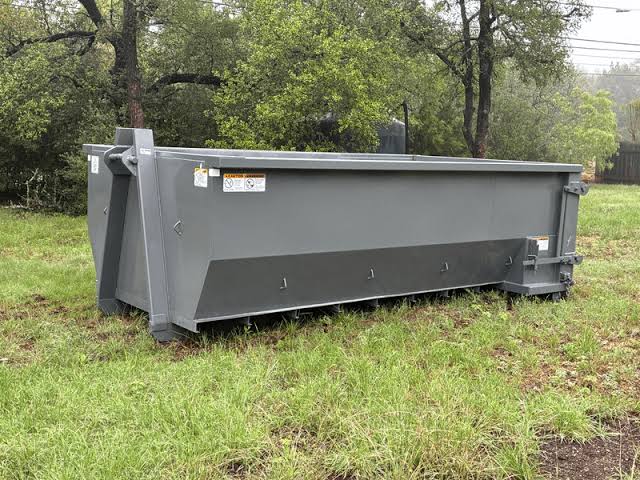
A dumpster used in Nassau County may not follow the exact same rules as one used in Suffolk County. Some materials may be accepted by one disposal facility and restricted by another.
That is why it is smart to give a basic item list when ordering. You do not need to list every small object, but you should mention:
- Mattresses
- Appliances
- Electronics
- Paint
- Concrete
- Dirt
- Roofing shingles
- Heavy debris
- Large furniture
- Yard waste
This helps the provider guide you before the dumpster arrives.
Driveway Placement vs Street Placement
If the dumpster stays on private property, such as your driveway, the process is usually simpler. If it needs to sit on a street or public area, a permit or notice may be required.
For example, the Town of Hempstead requires prior written notice before placing a roll-off container or dumpster on a town street, and it also limits how long it may remain in one location without renewal.
Nassau County also lists a dumpster permit fee with an insurance requirement on its permit and fee page.
Before delivery, check where the dumpster will sit. A few minutes of planning can prevent delays.
How to Load Your Dumpster Safely
Loading the dumpster the right way helps prevent injuries, wasted space, and pickup issues.
Use these simple tips:
- Load heavy items first.
- Spread weight evenly.
- Break down bulky items when possible.
- Keep debris below the fill line.
- Do not let items hang over the sides.
- Keep prohibited items separate.
- Do not overload one side.
- Cover absorbent debris if rain is expected.
Never climb into a loaded dumpster with unstable debris. If something is sharp, heavy, or awkward, use caution and ask for help.
How to Avoid Extra Fees or Pickup Problems
Most dumpster problems happen for a few reasons:
- The dumpster is too heavy.
- Prohibited items are inside.
- Debris is above the fill line.
- The truck cannot access the container.
- The wrong dumpster size was chosen.
- Heavy materials were mixed without approval.
To avoid this, be honest about the project when booking. A garage cleanout is different from a bathroom demolition. A roofing job is different from a yard cleanup. The better the project details, the better the dumpster recommendation.
When a Dumpster Rental Makes More Sense Than Curbside Pickup
A dumpster rental makes sense when the cleanup is too large for regular trash service.
It is often the better choice for:
- Moving cleanouts
- Estate cleanouts
- Basement cleanouts
- Garage cleanouts
- Renovation debris
- Roofing projects
- Rental property cleanups
- Office cleanouts
- Storm debris cleanup
- Large junk removal projects
If you are filling trash bags for days or making repeated dump runs, waste removal services can save time, energy, and stress.