

A roof replacement can create several tons of shingles, nails, underlayment, flashing, and damaged wood in a very short time. The right roofing dumpster rental Long Island homeowners and contractors choose should be based on the weight and type of that debris—not only the physical size of the container.
Planning the dumpster before the tear-off begins keeps heavy debris off the driveway, lawn, sidewalk, and work area. It can also help you avoid overloaded containers, delayed pickups, extra disposal charges, and repeated trips to a transfer station.
Need a size recommendation? Have your roof square count, number of shingle layers, expected wood-deck replacement, placement location, and preferred delivery date ready when requesting a quote.
Quick Answer: What Dumpster Do You Need for a Roofing Tear-Off?
Many small roofing repairs can start with a 10-yard dumpster, while full residential tear-offs often require a 15- or 20-yard container. However, the correct choice depends on the roof area, number of layers, shingle type, expected wood decking, and the rental company’s included weight allowance.
Roofing debris is different from ordinary household junk because the container may reach its weight limit before it looks full. For that reason, confirm both the container size and included tonnage before ordering.
Roofing Dumpster Rental at a Glance
Roofing project | Practical starting point | Main issue to check |
Shed, garage, porch, or small roof repair | 10-yard dumpster | Shingle weight and restricted materials |
Small residential tear-off | 10- or 15-yard dumpster | Roof squares and number of layers |
Average full-roof replacement | 15- or 20-yard dumpster | Included tonnage and wood decking |
Large or multi-layer tear-off | 20-yard dumpster or scheduled swap | Total load weight |
Extensive decking replacement | Separate estimate required | Bulky wood mixed with dense shingles |
Slate, tile, or unusually heavy roofing | Provider approval required | Special weight and disposal limits |
These are starting points, not guarantees. Dumpster dimensions, included weight, truck limits, and disposal arrangements vary between providers.
Why Roofing Debris Needs Special Dumpster Planning
Roofing waste may look simple when it is still attached to the house. Once the tear-off starts, however, a large volume of dense, sharp, and uneven material can reach the ground within hours.
A roofing dumpster must be planned around both weight and workflow. The container must be close enough for efficient loading, strong enough for the approved load, accessible to the pickup truck, and positioned where it will not trap vehicles or damage the property.
Shingles Add Weight Faster Than Expected
A roofing “square” means 100 square feet of roof coverage. Asphalt shingles commonly weigh a few hundred pounds per square, depending on the product, age, thickness, and style.
That means a roof with 20 squares can create several thousand pounds of shingle debris before underlayment, flashing, nails, vents, or damaged plywood are added. A second layer can nearly double the shingle portion of the load.
This is why an open dumpster may still be overweight even when debris remains below the top edge.
Wood Decking Adds Volume and Uneven Shapes
Damaged plywood, oriented strand board, rafters, fascia, and other wood components take up more room than compact shingles. Large pieces can also create empty pockets inside the load.
Tell the rental provider whether the project includes:
- Limited spot repairs
- Several damaged sheets
- Full roof-deck replacement
- Fascia or soffit removal
- Wood shakes or cedar shingles
- Gutters and other long metal pieces
This information may change the recommended container or lead to a planned dumpster swap.
Multiple Roof Layers Can Change the Entire Load
An estimate based on one layer will be unreliable when two or three layers are removed.
Before ordering, ask the roofer to confirm:
- The approximate number of roofing squares
- The number of existing shingle layers
- The shingle type
- Whether old wood shakes are beneath the asphalt shingles
- How much decking may need replacement
Do not assume that an older roof has only one visible layer.
What Can Go in a Roofing Dumpster?
Most non-hazardous roofing materials can be accepted as construction and demolition debris, but each rental provider and disposal facility may have different rules.
New York State identifies non-asbestos roofing shingles, roof coverings, wood, metal, and similar building materials as forms of construction and demolition debris.
Commonly Accepted Roofing Materials
A roofing dumpster may accept:
- Asphalt shingles
- Architectural shingles
- Three-tab shingles
- Wood shingles and shakes
- Dry underlayment
- Felt paper
- Tar paper
- Plywood and roof decking
- Flashing
- Drip edge
- Roof vents
- Ridge caps
- Roofing nails and staples
- Gutters and downspouts
- Dry lumber
- Small amounts of related construction debris
Never assume that every material is automatically accepted. Describe the complete load before the dumpster is delivered.
Materials That Require Separate Approval or Disposal
Common problem materials include:
- Asbestos-containing shingles or roofing products
- Wet roofing tar
- Liquid sealants
- Solvents
- Paint
- Fuel
- Propane cylinders
- Batteries
- Chemicals
- Unidentified insulation
- Other hazardous materials
Asbestos-containing roofing requires specialized assessment, handling, transportation, and disposal. It should not be mixed into a standard roll-off dumpster. EPA guidance explains that asbestos-containing roofing materials may be subject to specific removal and disposal requirements.
Stop the project and obtain qualified advice when a suspicious roofing material is discovered. Do not break, crush, or load it into the dumpster while trying to identify it.
What Size Dumpster Do You Need for Roofing Shingles?
There is no single container size that works for every Long Island roof. Use the following sizes as planning categories rather than fixed guarantees.
10-Yard Dumpster for Small or Dense Loads
A 10-yard container may be appropriate for:
- Shed or garage roofs
- Porch roof removal
- Small repair projects
- Limited shingle-only loads
- Dense debris that must remain within a controlled tonnage
Its lower walls can make loading easier. However, a 10-yard dumpster can still become overweight when it receives multiple layers of shingles.
15-Yard Dumpster for Mid-Sized Roofing Work
A 15-yard dumpster may provide a useful balance for:
- Small residential tear-offs
- Moderate roof repairs
- Shingles plus limited decking
- Projects that need more space than a 10-yard container but do not justify a larger footprint
Ask whether the included tonnage increases with the container size. A larger container does not always include a proportionally larger weight allowance.
20-Yard Dumpster for Larger Residential Tear-Offs
A 20-yard dumpster is frequently considered for:
- Full residential roof replacements
- Medium or larger roof areas
- Shingles, underlayment, and flashing
- Tear-offs that include damaged plywood
- Projects needing room for bulky mixed roofing debris
The extra volume is useful, but it must not encourage overloading. Some 20-yard roofing containers should be collected before they are physically full because the shingles have already reached the permitted weight.
When a Dumpster Swap Is Safer Than a Larger Container
For a large, multi-layer, or unusually heavy roof, one oversized dumpster may not be the safest choice.
A scheduled swap can:
- Keep the project moving
- Prevent shingles from piling on the ground
- Reduce the risk of an overweight load
- Make total disposal weight easier to control
- Avoid filling a tall container with more weight than the truck can safely haul
Discuss swaps before the project begins rather than after the first container becomes overloaded.
How to Estimate Roofing Debris Before Ordering
A useful estimate does not require advanced math. It requires accurate project details.
Start With the Number of Roofing Squares
One roofing square equals 100 square feet of roof surface.
A 2,000-square-foot roof therefore contains approximately 20 roofing squares. Remember that roof surface area may be larger than the building footprint because of pitch, overhangs, dormers, and separate roof sections.
The roofing contractor’s material estimate may already show the approximate square count.
Count Every Existing Shingle Layer
Multiply the shingle portion of the estimate by the number of layers being removed.
For example:
- 20 squares with one layer = 20 squares of shingle debris
- 20 squares with two layers = approximately 40 layer-squares of debris
- 20 squares with three layers = approximately 60 layer-squares of debris
This does not calculate the final dumpster requirement by itself, but it gives the provider a much better starting point.
Add Wood Decking and Other Tear-Off Materials
Tell the provider what else may be removed:
- Plywood
- Oriented strand board
- Wood shakes
- Gutters
- Flashing
- Roof vents
- Fascia
- Soffits
- Insulation
- Tar-covered materials
A few damaged plywood sheets may require little adjustment. Full decking replacement can change the volume significantly.
Confirm the Included Weight With the Provider
Ask these questions before accepting a quote:
- How many tons are included?
- What is the overage price per ton?
- Is there a special shingle-disposal surcharge?
- Can shingles and wood be mixed?
- Is the recommended size based on one layer or multiple layers?
- At what point should loading stop?
- Is a swap available?
- What happens if the truck cannot lift the container?
The included weight is often more important than the container’s cubic-yard number.
Can Shingles, Wood, and Tear-Off Debris Go Together?
Many providers allow shingles, underlayment, nails, flashing, and limited untreated wood from the same roofing project in one container. However, mixed loads may be priced or handled differently from clean shingle-only loads.
Shingles are dense and settle low. Wood is bulkier and creates open spaces. When both are loaded without a plan, the container may look poorly filled while still approaching its weight allowance.
Ask whether the provider prefers:
- Shingles spread across the bottom
- Wood cut into shorter sections
- Long metal pieces placed along one side
- Clean shingles separated from mixed debris
- A second container for large amounts of decking
Do not mix household furniture, appliances, yard waste, or unrelated renovation debris into a roofing load unless the rental agreement allows it.
What Affects Roofing Dumpster Rental Cost on Long Island?
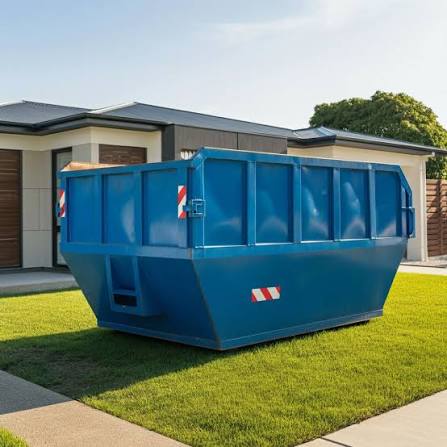
A useful quote should explain more than the container’s base rental price.
Container Size and Included Tonnage
The quote may be affected by:
- Dumpster size
- Included disposal weight
- Delivery distance
- Rental period
- Roofing material type
- Local disposal charges
- Fuel or transportation costs
- Required permits
- Seasonal availability
Compare quotes using the total service package, not the lowest advertised starting price.
Overage, Swap, and Extension Charges
Ask for the cost of:
- Weight above the included allowance
- An additional pickup
- An empty-and-return service
- A second dumpster
- Additional rental days
- Failed pickup caused by blocked access
- Relocation after delivery
- Prohibited-material handling
A slightly higher quote with more included tonnage may cost less than a low base price followed by overweight charges.
Shingle-Only Loads Versus Mixed Debris
A clean asphalt-shingle load may be handled differently from shingles mixed with wood, insulation, household trash, or other construction debris.
Describe the expected materials accurately. A quote for “roofing shingles” may not apply when the project also includes full decking replacement, gutters, siding, and interior demolition.
Dumpster Placement, Permits, and Property Protection
The best location is usually a stable, level area that is close to the roof but still accessible to the delivery truck.
Driveway Placement and Surface Protection
Before delivery:
- Move vehicles out of the garage and driveway
- Confirm that the dumpster will not trap a needed vehicle
- Remove low branches
- Check for overhead wires
- Protect the surface with suitable boards when recommended
- Keep children and pets away from the placement area
- Mark septic systems, drains, or weak pavement
- Confirm that the truck has room to approach and leave
A loaded roofing dumpster can place substantial weight on a small area. Discuss surface protection with the provider before delivery.
Public Roads and Long Island Permit Requirements
A dumpster placed fully on private property may not require the same public-road authorization as a container placed in a street or right-of-way. Rules can vary by town, village, county road, and placement type.
Nassau County directs users to contact its Department of Public Works regarding dumpsters placed on county roads. Local Long Island guidance also shows that towns may apply their own placement, licensing, and permit requirements.
Confirm:
- Whether the location is private property
- Whether any part of the container will enter a sidewalk or road
- Which town or village controls the location
- Whether reflective markings, lights, or barriers are required
- Who obtains the permit
- How long the permit remains valid
Do not assume that one Long Island municipality follows another town’s rules.
Delivery-Truck Access
The truck needs more room than the dumpster itself.
Keep the delivery path free from:
- Parked cars
- Construction materials
- Low wires
- Tree limbs
- Gates that are too narrow
- Soft or muddy ground
- Workers and equipment
- Roofing debris already on the driveway
Ask the provider to explain the required approach distance and overhead clearance for its specific truck.
How to Load Roofing Debris Safely
A roofing dumpster makes cleanup easier only when it is used correctly.
Spread Heavy Material Evenly
Do not pile all shingles into one corner. Uneven loading can make pickup more difficult and may place unnecessary stress on the container and surface below it.
Spread dense material across the container floor. Keep large wood pieces controlled so they do not create unstable stacks.
Keep Debris Below the Fill Line
Nothing should extend above the top edge unless the provider gives different written instructions.
Overfilled dumpsters may:
- Be refused for pickup
- Require unloading before transport
- Create falling-debris hazards
- Need additional handling
- Cause schedule delays
- Produce extra charges
The visible fill line does not replace the weight limit. Stop loading when either limit is reached.
Control Nails, Flashing, and Sharp Edges
Roofing debris contains sharp materials.
Use:
- Work gloves
- Sturdy footwear
- Eye protection
- Magnetic nail sweepers
- Tarps where appropriate
- Controlled loading areas
- Regular ground cleanup
Keep nails, flashing, and broken wood inside the container rather than scattered around the driveway or lawn.
When Is It Better to Rent a Dumpster?
A dumpster is usually the practical choice when the project will produce more debris than local curbside collection can safely or legally handle.
Renting becomes especially useful when:
- A complete roof is being removed
- There are multiple shingle layers
- The project includes damaged decking
- Debris must be removed quickly
- A roofing crew needs an open work area
- Repeated pickup-truck runs would interrupt the work
- Nails and sharp material need to remain contained
- The disposal facility is far from the property
- The project must follow a tight weather schedule
Trash bags and curbside pickup are poorly suited to heavy shingles. Repeated dump runs also require loading, securing, driving, unloading, and cleaning the vehicle after every trip.
Contractors handling projects near the Nassau–Queens boundary may also need a dependable Queens roll-off dumpster service that can coordinate delivery with the tear-off schedule. Companies managing roof replacements in other parts of New York may use Rochester roofing debris dumpster rentals for similar project planning.
How the Roofing Dumpster Rental Process Works
1. Describe the Roofing Project
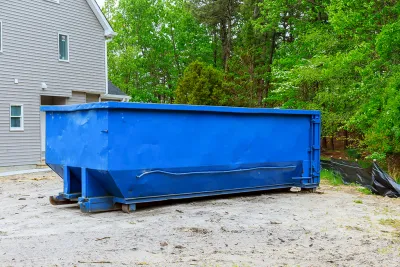
Provide:
- Property location
- Roof square count
- Number of layers
- Shingle type
- Estimated wood replacement
- Other tear-off materials
- Preferred delivery date
- Expected project length
2. Confirm the Container and Weight Allowance
Review the recommended size, included tonnage, accepted materials, prohibited materials, and possible overage charges.
3. Prepare the Placement Area
Move vehicles, clear access, protect the surface where needed, and obtain any required public-road approval.
4. Coordinate Delivery With the Tear-Off
The container should normally arrive before debris begins coming off the roof. Avoid leaving shingles piled on the lawn or driveway while waiting for delivery.
5. Load Within the Agreed Limits
Distribute weight evenly, keep debris below the top edge, and prevent prohibited materials from entering the load.
6. Schedule Pickup or a Swap
Contact the provider before the container becomes overloaded. For large projects, coordinate a swap so the roofing crew does not lose working time.
Questions to Ask Before Accepting a Quote
Use this checklist when comparing roofing dumpster quotes:
- What container size do you recommend for my roof?
- How many tons are included?
- What is the charge for each additional ton?
- Are shingles priced differently from mixed construction debris?
- Can plywood and wood decking go in the same load?
- Are roofing nails, flashing, and underlayment accepted?
- What materials are prohibited?
- How many rental days are included?
- What does an extension cost?
- Is a same-day or scheduled swap available?
- Who is responsible for a street permit?
- What space does the delivery truck need?
- How should I protect my driveway?
- What happens if the container reaches its weight limit before it is full?
- Does the quoted price include delivery, pickup, and disposal?
A clear provider should be able to answer these questions before collecting payment.