
Storms, tree trimming and major landscaping projects can leave more debris than trash bags or weekly collection can handle. A yard waste dumpster rental Long Island property owners can keep on-site gives you one place for branches, leaves, brush and other approved debris while you complete the cleanup at a manageable pace.
The right container depends on what you are removing, how much space the debris takes up and how heavy it becomes. Before ordering, describe the material clearly and confirm whether the provider accepts soil, sod, rocks, stumps, fencing or mixed storm debris.
Quick Answer
A yard-waste dumpster is usually worth renting when a storm, tree project or property cleanup creates more leaves, brush and branches than your local collection service will accept. Most projects use a 10- to 20-yard container, but wet debris, soil, sod and large tree sections can require special weight or material approval.
At a Glance
Question | Practical answer |
When is a dumpster useful? | Storm cleanup, tree trimming, lot clearing, seasonal cleanup and landscaping work |
What commonly goes in it? | Leaves, grass, brush, branches, weeds, shrubs and approved tree debris |
What size is common? | A 10-yard container for small work and a 15- or 20-yard container for larger cleanup |
What affects the price? | Size, debris type, included weight, rental period, delivery area and disposal rules |
What needs approval? | Dirt, sod, rocks, stumps, treated wood, fencing and mixed construction debris |
What must stay out? | Chemicals, fuel, liquid paint, batteries and other hazardous materials |
What should you do first? | List your debris, estimate the volume and ask the provider what it will accept |
When Should You Rent a Yard Waste Dumpster?
Curbside collection may work for a few bags of leaves or several bundled branches. It becomes less practical when the debris covers a large part of the yard, includes bulky limbs or will take several municipal pickups to remove.
A dumpster keeps the waste in one controlled location. You can load it as you work instead of building piles around the property or making repeated trips to a disposal site.
After a Storm or High-Wind Event
A severe storm can scatter branches, leaves, damaged fencing and pieces of outdoor structures across a property. Even a yard that looked manageable before the storm can produce a large volume once broken limbs are cut into safe sections.
A dumpster is especially useful when the cleanup will continue for several days. However, do not begin moving debris while trees remain unstable, electrical lines are down or damaged structures could shift.
During Tree, Brush or Landscaping Work
Tree trimming, hedge removal and clearing an overgrown area can generate more material than expected. Branches also create large air gaps when they are thrown loosely into a container.
Cutting approved limbs into shorter sections and stacking them carefully can help you use the available space. Ask the rental provider about maximum limb length, trunk diameter and stump restrictions before loading.
For Seasonal and Property Cleanups
A dumpster may also make sense for:
- Heavy fall leaf removal
- Spring garden clearing
- Removing dead shrubs
- Cleaning an overgrown rental property
- Preparing a home for sale
- Clearing invasive vines and brush
- Replacing planting beds
- Removing old mulch
- Completing a large backyard redesign
For routine weekly maintenance, municipal pickup or home composting may remain the simpler choice.
What Yard and Storm Debris Can Go in a Dumpster?
Acceptance rules are not the same for every rental company or disposal facility. Always describe the load before ordering instead of assuming that every outdoor material is accepted.
Materials That Are Commonly Accepted
A yard-waste container may accept:
- Dry leaves
- Grass clippings
- Weeds
- Plants and flowers
- Small branches
- Brush
- Twigs
- Shrubs
- Wood chips
- Untreated garden debris
- Approved tree limbs
- Small quantities of clean mulch
These materials are easier to process when they are kept separate from household trash and construction waste.
Materials That Need Provider Approval
Ask specifically about:
- Tree trunks
- Large limbs
- Stumps and roots
- Soil
- Sod
- Rocks and gravel
- Bamboo
- Treated landscape timbers
- Railroad ties
- Painted fencing
- Chain-link fencing
- Damaged sheds
- Roofing materials
- Waterlogged drywall
- Outdoor furniture
A provider may accept some of these materials in a general debris container but reject them from a clean yard-waste load.
Items That Must Stay Out
Do not place hazardous or regulated materials in the dumpster unless the company has explicitly provided an approved disposal option.
Common restricted materials include:
- Gasoline
- Motor oil
- Pesticides
- Herbicides
- Pool chemicals
- Liquid paint
- Batteries
- Propane cylinders
- Asbestos-containing materials
- Refrigerators containing refrigerant
- Tires
- Medical waste
Keep unidentified containers and leaking products separate until you receive proper disposal instructions.
Clean Yard Waste Versus Mixed Storm Debris
The phrase “yard waste” can describe two very different loads. Knowing which one you have helps the rental provider select the correct container and disposal method.
What Is a Clean Yard-Waste Load?
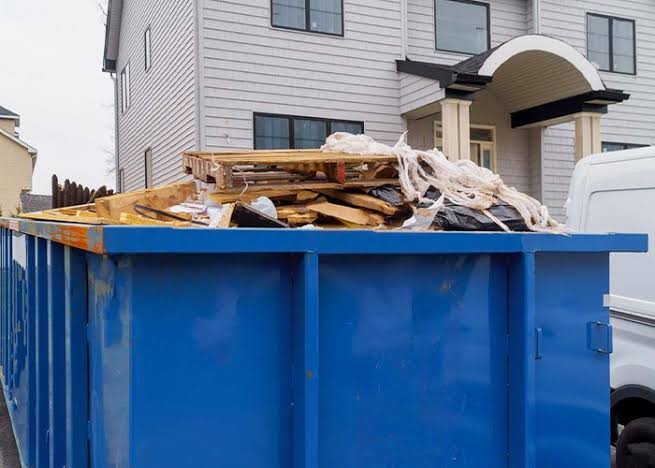
A clean load contains only approved organic landscaping material, such as:
- Leaves
- Brush
- Grass
- Small branches
- Plants
- Untreated wood chips
Clean loads may be eligible for composting, chipping or another organics-processing method. They should not contain plastic bags, household rubbish, drywall or treated lumber.
New York State encourages composting and other forms of organic-material recovery. Local collection and composting options vary, and not every disposal facility accepts yard waste.
When Storm Debris Becomes a Mixed Load
A storm can combine vegetation with:
- Fence panels
- Roof shingles
- Siding
- Insulation
- Drywall
- Damaged outdoor furniture
- Broken doors
- Metal flashing
- Structural wood
That material may need to be handled as mixed or construction debris rather than clean yard waste. Tell the provider exactly what is in the pile so the entire load is not rejected or reclassified after pickup.
What Size Dumpster Do You Need for Yard Waste?
Dumpster size is measured by volume, but volume is only part of the decision. The weight of wet leaves, soil, sod, tree trunks and water-damaged materials may become the limiting factor before the container looks full.
Dumpster size | Often suitable for | Main caution |
10 yard | Leaves, garden clearing, small brush piles and light tree trimming | Heavy soil or wet material can reach the weight limit quickly |
15–20 yard | Larger seasonal cleanup, several shrubs, medium tree work and moderate storm debris | Confirm whether mixed structural debris is allowed |
30 yard | Large property clearing, extensive branches and bulky but relatively light material | Large containers may not be approved for dense soil, rocks or heavy logs |
10-Yard Dumpster
A 10-yard dumpster is often suitable for:
- A small residential yard
- Leaves and grass
- Garden-bed clearing
- Light brush removal
- Several small shrubs
- Limited tree trimming
It is also easier to place in a compact driveway. Do not assume that the smaller container allows unlimited heavy debris.
15- or 20-Yard Dumpster
This range is often the most practical for:
- Large leaf and brush cleanup
- Several fallen branches
- Removing overgrown shrubs
- Moderate storm damage
- A backyard landscaping renovation
- Debris from tree trimming
A 20-yard container provides more room for irregular branches without automatically moving to a very large dumpster.
30-Yard Dumpster
A 30-yard container may be appropriate for:
- Extensive property clearing
- Multiple damaged trees
- Large volumes of light vegetation
- A major landscaping overhaul
- Bulky mixed storm debris approved by the provider
It is not automatically the best choice for soil, rocks, sod or thick trunks. Dense materials may require a smaller container with a specific weight allowance.
How to Complete a Storm Cleanup Safely
Storm cleanup should begin with a safety check, not with loading the dumpster.
Check the Property Before Moving Debris
Stay away from:
- Downed electrical lines
- Trees leaning toward the house
- Hanging branches
- Damaged gas equipment
- Flooded electrical systems
- Unstable roofs, sheds or walls
- Sharp metal hidden under vegetation
Treat every fallen line as live. Contact the appropriate utility or emergency service before working near it.
Document Damage Before Disposal
Take clear photographs and videos before removing damaged items. Capture:
- The affected area
- Fallen trees
- Damaged fencing
- Roof or siding damage
- Water levels
- Damaged outdoor equipment
- The debris pile
This record may be useful when speaking with an insurer or contractor. Do not delay urgent safety work when emergency services advise immediate action.
Separate Debris by Material
Create separate areas for:
- Clean branches and vegetation
- Roofing and construction debris
- Metal
- Appliances
- Chemicals and hazardous products
- Soil and rocks
Separation makes it easier to describe the load and may prevent approved yard waste from being contaminated by restricted material.
Prepare the Dumpster Placement Area
Choose a firm, level and accessible location. A driveway is often easier to manage than a public road, but the delivery truck still needs sufficient room to approach, lower and retrieve the container.
Before delivery:
- Move vehicles
- Open gates
- Remove low branches where safe
- Identify overhead wires
- Ask about driveway protection
- Confirm that the truck can enter and exit
- Check local permission requirements for street placement
Load the Dumpster Safely
Place heavier approved items at the bottom and distribute the weight across the container. Cut branches to the approved length and stack them to reduce empty spaces.
Do not:
- Climb on unstable debris
- Throw material over another person
- load above the top edge
- Allow branches to extend over the sides
- Place hazardous materials inside
- Move the container yourself
Stop loading if the material reaches the fill line or the provider’s stated weight limit.
What Affects Yard Waste Dumpster Rental Costs?
A reliable quote depends on more than the container’s dimensions. Rental companies commonly consider the size, debris type, weight, location and rental period.
Dumpster Size and Included Weight
A larger dumpster may cost more, but ordering one that is too small can also become expensive if you need an exchange or second rental.
Ask:
- How much weight is included?
- What is the charge for extra weight?
- Is the limit different for yard waste?
- Are heavy materials restricted to smaller containers?
- Is the final load weighed after pickup?
Type and Condition of the Debris
Dry leaves and light brush behave differently from:
- Wet leaves
- Fresh tree trunks
- Soil
- Sod
- Rocks
- Waterlogged building material
Wet and dense debris can use the weight allowance before the dumpster reaches its visible capacity.
Rental Period and Delivery Location
The quote may also depend on:
- Number of rental days
- Delivery distance
- Accessibility
- Pickup schedule
- Extension fees
- Fuel or transportation costs
- Disposal-facility charges
- Demand after a major storm
Compare the complete quote from several waste removal services rather than choosing solely from an advertised starting price.
Extra Charges to Ask About
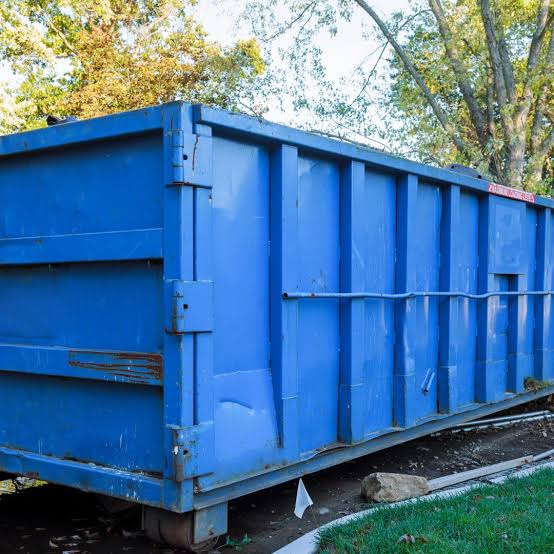
Before confirming the order, ask about:
- Overage charges
- Extension fees
- Failed delivery charges
- Blocked pickup fees
- Prohibited-item fees
- Dry-run charges
- Container exchange costs
- Street-placement requirements
- Damage waivers
- Taxes and environmental fees
A written explanation of what is included is more useful than a low headline price.
Dumpster Rental, Curbside Pickup or Junk Removal?
The best disposal method depends on the amount of debris, the available labor and how quickly the property must be cleared.
Option | Best for | Main limitation |
Curbside pickup | Small, properly prepared amounts | Bag, bundle, material and schedule limits |
Municipal drop-off | Small loads when you have a suitable vehicle | Requires loading, transport and unloading |
Junk or tree removal | Projects where you cannot load the debris | Labor can increase the price |
Dumpster rental | Larger projects completed over several days | You must load the approved material |
Repeated dump runs | Small projects with easy disposal access | Fuel, time and repeated handling |
Curbside service is practical for normal maintenance. A dumpster becomes more useful when branches are bulky, the cleanup will take several days or municipal limits would extend removal over several collection cycles.
Junk removal may be better when you cannot lift the debris or need a crew to complete the work. When comparing dumpster rental services, consider labor, time, weight limits and disposal restrictions rather than price alone.
How to Rent a Yard Waste Dumpster in Long Island
1. Identify the Material
List everything you plan to discard. Separate definite yard waste from items that need approval.
2. Estimate the Volume
Group or stack the debris where it can be seen safely. Photographs may help the provider understand the project.
3. Discuss Weight
Tell the company if the load contains wet leaves, soil, sod, rocks, logs or water-damaged materials.
4. Choose the Container
Select a size based on both volume and weight. Ask what happens if you need an exchange.
5. Confirm Placement
Check driveway access, overhead clearance, surface protection and local street-placement requirements.
6. Review the Agreement
Confirm:
- Delivery and pickup
- Included days
- Included weight
- Accepted materials
- Prohibited materials
- Extension charges
- Overage charges
- Pickup instructions
7. Load and Request Pickup
Keep the material below the fill line. Make sure the container is accessible on the scheduled pickup day.
Long Island Yard-Waste Disposal Considerations
Long Island includes many towns, villages and sanitation districts. Collection rules, drop-off options and container-placement requirements can therefore differ between properties in Nassau County and Suffolk County.
Before ordering, confirm:
- Whether your waste must remain separate from household trash
- Whether local composting or brush collection is available
- Whether the provider accepts clean yard waste
- Whether a street-placement permit is required
- Whether storm-related collection has been announced
- Whether the disposal facility restricts stumps, soil or treated wood
Do not burn piles of leaves as a disposal shortcut. The New York State Department of Environmental Conservation states that burning leaves is illegal statewide, while local composting and collection options vary by community.