

By Ryan Carter, Dumpster Rental and Waste Cleanup Advisor
A concrete dumpster rental can make patio, driveway, sidewalk, foundation, and slab removal much easier. But concrete cannot be loaded like furniture, household junk, or ordinary remodeling waste.
The biggest concern is not how much room the material takes up. It is how much the load weighs.
Concrete can bring a dumpster to its hauling limit while the container still looks mostly empty. Choosing a bin by cubic yards alone may lead to overage charges, delayed pickup, offloading work, or a load the driver cannot legally transport.
Before demolition begins, you need to confirm the approved dumpster size, included tonnage, material restrictions, fill line, and possible extra charges.
Trust block: Practical dumpster and cleanup guidance that turns confusing size, weight, material, and disposal rules into clear next steps. Focused on helping homeowners, landlords, contractors, and business owners avoid overloaded containers, rejected loads, unnecessary fees, and preventable project delays.
Can You Put Concrete in a Dumpster? Quick Answer
Yes, concrete can usually go in a roll-off dumpster when the rental provider approves the material in advance.
A 10-yard dumpster is a common starting point because its lower walls make heavy debris easier to load and help control the total weight. However, container rules vary. Some companies allow larger bins with partial-fill restrictions, while others accept concrete only in a specific container.
Before ordering, tell the provider:
- What type of concrete you are removing
- The slab dimensions and thickness
- Whether the concrete contains rebar or wire mesh
- Whether brick, asphalt, dirt, or other debris will be included
- Where the container will be placed
Never assume that a larger dumpster allows a heavier concrete load.
Concrete Dumpster Rental at a Glance
Question | Practical answer |
What size is commonly used? | A 10-yard dumpster is a common starting point, but local rules vary. |
What controls the load? | Weight usually matters more than available space. |
Can the dumpster be filled to the top? | Usually not. Follow the provider’s marked heavy-debris fill line. |
Can other waste be mixed with concrete? | Only when the provider approves a mixed-heavy load. |
Is concrete with rebar accepted? | Sometimes. Rebar and wire-mesh policies vary. |
Can wet concrete go in the dumpster? | No. Wet concrete and concrete slurry require different handling. |
What causes extra charges? | Excess weight, contamination, prohibited material, failed pickup, or extra rental days. |
What should be confirmed first? | Approved material, container size, included weight, fill limit, and final pricing terms. |
Why Concrete Dumpster Rentals Have Different Rules
Concrete Reaches the Weight Limit Before the Dumpster Looks Full
Concrete is extremely dense. A solid cubic yard is often estimated at approximately 4,000 pounds, although the actual weight changes with the concrete mixture, reinforcement, moisture, and condition. ns a relatively small slab can create several tons of debris.
This is why a container may look only one-quarter or one-half full while already approaching its allowed hauling weight. The empty space above the debris does not mean more concrete can safely be added.
Hauling Limits Vary by Provider and Location
There is no reliable universal tonnage for every 10-yard, 15-yard, or 20-yard dumpster.
Container design, truck capacity, disposal facility rules, local transportation requirements, and the rental company’s policies all affect the permitted load. Published provider limits vary considerably, which is why the dumpster size alone should never be used as the final loading rule. two separate numbers:
- Included weight:The amount covered by the quoted price.
- Maximum allowed weight:The highest load the company can safely and legally transport.
They may not be the same.
What Size Dumpster Is Best for Concrete?
Why a 10-Yard Dumpster Is Usually the Starting Point
A 10-yard dumpster is commonly recommended for concrete, brick, asphalt, block, dirt, and other dense material.
It has several practical advantages:
- Lower walls make wheelbarrow loading easier.
- The smaller container discourages dangerous overfilling.
- It can fit in many residential driveways.
- Weight can be distributed more evenly.
- The amount of debris is easier to monitor.
Several major rental guides recommend a 10-yard container as the usual starting point for concrete and other heavy debris. ied roll-off dumpster service should still review your project dimensions before confirming the container.
When a 15- or 20-Yard Dumpster May Be Approved
Some companies offer 15- or 20-yard dumpsters for concrete. That does not mean the container can be filled to the top.
A larger bin may be approved when:
- The company uses a container designed for heavy material.
- The load will remain below a marked fill line.
- The concrete is being mixed with approved heavy debris.
- The project needs more floor area for even distribution.
- The provider’s truck and disposal facility can accept the load.
WM lists several smaller roll-off sizes for concrete and asphalt, while Frontier describes using a 20-yard concrete container with a partial-fill restriction. These examples show why provider approval matters more than a general online size chart. Multiple Smaller Containers Make More Sense
One large container is not always the best option.
Two smaller dumpsters or a scheduled swap may make more sense when:
- The project involves a large driveway or foundation.
- Demolition will happen in phases.
- Concrete must be separated from household or construction waste.
- The estimated load is close to the maximum weight.
- The work cannot stop while a container is emptied.
Multiple containers can cost less than correcting an overloaded dumpster, paying a failed-pickup charge, and delaying the project.
How to Estimate Concrete Weight Before Ordering
Do not wait until the slab has been demolished to think about weight. Measure it while the area is still intact.
A Simple Slab-Weight Estimate
Use this planning formula:
Length × width × thickness in feet × estimated pounds per cubic foot
Concrete is often estimated at approximately 145 to 150 pounds per solid cubic foot. Use this only as a planning estimate. Your provider should make the final container recommendation. ple: A 10-by-10-Foot Patio
Assume the patio is:
- 10 feet long
- 10 feet wide
- 4 inches thick
Convert four inches to feet:
4 ÷ 12 = 0.333 feet
Calculate the volume:
10 × 10 × 0.333 = approximately 33.3 cubic feet
Estimate the weight:
33.3 × 150 = approximately 4,995 pounds
That small patio may produce close to 2.5 tons of concrete before considering attached reinforcement or other material.
Breaking the slab into chunks does not remove its original weight. It only changes how much loose space the debris occupies inside the container.
Allow for Rebar, Moisture, and Other Heavy Materials
Tell the rental company if the concrete includes:
- Rebar
- Wire mesh
- Brick
- Block
- Asphalt
- Gravel
- Dirt
- Tile
- Stone
Reinforcement adds weight and can affect recycling requirements. Long pieces of exposed rebar may also create a transportation hazard if they extend above the container.
When the slab thickness varies, use the thickest reasonable measurement or provide separate measurements for each area.
Clean Concrete vs. Mixed Debris
The type of material in the dumpster can affect the disposal facility, price, and loading rules.
What Usually Qualifies as Clean Concrete
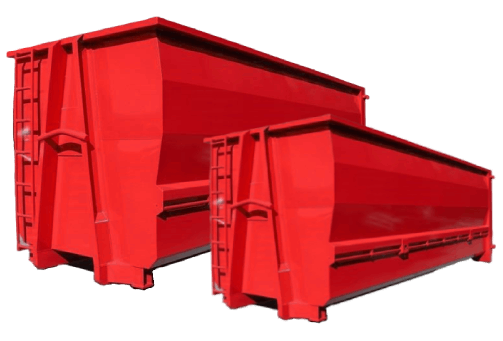
A clean-concrete load normally contains approved concrete without general trash or renovation waste.
Depending on the facility, it may include:
- Broken concrete
- Concrete rubble
- Approved masonry
- Limited brick or block
- Approved asphalt
The exact definition varies. Some facilities accept small amounts of reinforcement. Others require concrete with no rebar, dirt, trash, or attached material.
Materials That Can Change the Load Classification
Do not add the following unless the rental company approves them:
- Wood
- Drywall
- Plastic
- Cardboard
- Insulation
- Household garbage
- Roofing material
- Large amounts of soil
- Paint-covered material
- Chemicals
- Asbestos-containing material
- Unapproved metal
Mixing these items into a clean-concrete load may lead to a contamination fee, a different disposal rate, or rejection at the recycling facility. Dumpster Dudez and Dumpsters.com both advise keeping concrete separate and confirming what qualifies as an acceptable concrete load. Wet Concrete and Slurry Need Different Handling
Do not pour wet concrete, washout water, or slurry into an ordinary roll-off dumpster.
Liquid material can leak from the container, damage property, create a road hazard, and violate disposal rules. Let unused concrete harden through an approved process or ask the contractor and local facility how concrete washout must be handled.
Dumpsters.com and Frontier specifically identify slurry or wet concrete as unacceptable for their concrete containers. o Load a Concrete Dumpster Safely
Prepare the Placement and Loading Path
Choose the placement area before the container arrives.
The location should be:
- Firm and level
- Accessible to the delivery truck
- Clear of low branches and overhead wires
- Away from soft ground
- Close enough to the work area to reduce carrying distance
- Open enough for the dumpster door to operate
Ask the provider whether driveway protection is recommended and whether wood boards may be placed under the container.
Keep children, visitors, and unnecessary vehicles away from the loading path.
Break Concrete Into Manageable Pieces
Large pieces are difficult to lift and do not settle evenly.
Break concrete into pieces that can be moved safely with suitable tools, equipment, or a wheelbarrow. Do not create chunks so large that they must be dropped from the top wall.
When possible, use the dumpster’s loading door rather than throwing heavy pieces over the side.
If an electrical repair, plumbing project, or utility upgrade requires opening part of a slab, keep the removed concrete separate from wire, conduit, pipe, packaging, and general renovation waste.
Distribute the Weight Evenly
Do not build one heavy pile at the front, rear, or side of the container.
Spread the concrete across the dumpster floor as loading continues. An uneven load can make pickup more difficult and may place unnecessary stress on the container and hauling equipment.
A good loading pattern is:
- Open the dumpster door.
- Place the first pieces across the floor.
- Fill low areas before building upward.
- Keep the load level from side to side.
- Close and secure the door before pickup.
Stop at the Heavy-Debris Fill Line
The top rail is not automatically the approved concrete fill level.
Some providers require concrete to remain below a special heavy-debris line. Depending on the container and material, that line may be halfway up the wall or lower. Heartland, Frontier, and Dumpster Dudez all describe partial-fill requirements for heavy concrete loads. ding when you reach the provider’s marked line—even when empty space remains above it.
Do not estimate the limit by eye when a line or written restriction has been provided.
Prepare the Container for Pickup
Before requesting removal:
- Keep all debris below the permitted line.
- Remove material resting on the top edge.
- Make sure rebar does not extend from the container.
- Close and secure the loading door.
- Clear vehicles, tools, and material from the pickup path.
- Confirm that no unapproved waste was added.
- Contact the provider if the load appears heavier than expected.
It is easier to solve a possible weight problem before the truck arrives.
Concrete Dumpster Rental Costs and Extra Fees
The base price depends on more than the physical dumpster size.
What the Base Quote May Include
Ask whether the quote includes:
- Delivery
- Pickup
- A specific rental period
- Included tonnage
- Disposal or recycling
- Fuel charges
- Taxes
- Basic administrative charges
Do not compare two quotes by the advertised price alone. A lower starting price may include less weight or a shorter rental period.
Charges That Can Increase the Final Cost
Possible additional charges include:
Weight overage
This may apply when the measured disposal weight exceeds the amount included in the quote.
Contamination
A clean-concrete rate may change when trash, wood, drywall, soil, or another unapproved material is found in the load.
Failed or delayed pickup
The driver may be unable to remove a dumpster that is overloaded, blocked, filled above the line, or contains protruding material.
Offloading
You may have to remove concrete from the container before another pickup attempt can be made.
Extra rental days
Keeping the dumpster beyond the agreed period may add a daily or weekly charge.
Permit costs
A permit may be required when the container will sit on a public street or another controlled area.
Pricing varies significantly by location, approved weight, disposal method, and rental company. Competitor pages themselves publish different container prices and allowances, so the final quote should be based on your ZIP code and project details. ions to Ask Before the Dumpster Is Delivered
Use this checklist when requesting pricing:
- Do you accept concrete in my area?
- Which container is approved for my project?
- How much weight is included in the quote?
- What is the maximum legal load?
- Is there a separate heavy-debris fill line?
- Must the load contain clean concrete only?
- Can brick, block, asphalt, dirt, or gravel be included?
- Is reinforced concrete with rebar accepted?
- How short must exposed rebar be?
- What happens if the load is overweight?
- What contamination or failed-pickup fees may apply?
- How long is the rental period?
- Does the placement location require a permit?
- How much clear space does the delivery truck need?
- Should the driveway be protected?
Write down the answers. Verbal assumptions are easy to forget once demolition starts.
Common Concrete Dumpster Mistakes
Ordering by volume alone
A larger dumpster may provide more space without allowing more concrete weight.
Filling the container to the top
Concrete may reach the approved weight while the container is only partially full.
Mixing in ordinary construction waste
A few pieces of wood, drywall, plastic, or trash can change the classification of the entire load.
Forgetting about reinforcement
Rebar and wire mesh affect weight, loading, recycling, and transportation.
Estimating after demolition
An intact slab is easier to measure than a pile of uneven rubble.
Choosing a poor placement area
A dumpster placed too far from the demolition area creates more carrying work. A blocked or unstable location can also interfere with delivery and pickup.
Allowing anyone to use the dumpster
Neighbors, workers, or other trades may add prohibited material. Explain the load rules and keep the area controlled.
Booking the smallest allowance without a margin
Concrete thickness is not always uniform. Foundations, edges, footings, and steps may be much thicker than the visible slab.
Dumpster Rental vs. Junk Removal and Dump Runs
A dumpster is not the only concrete-disposal option.
A dumpster may be better when:
- You are completing the demolition yourself.
- The project will take several days.
- The debris is too heavy for repeated pickup-truck trips.
- You want to load material as work progresses.
- You have enough space for delivery.
- You are removing a patio, driveway, sidewalk, slab, or foundation section.
Junk removal may be better when:
- The amount is small.
- The concrete is already piled and accessible.
- You do not want to load the material.
- The property cannot accommodate a dumpster.
- Labor is more important than having the container for several days.
Self-hauling may be reasonable when:
- The load is very small.
- You have a suitable vehicle and trailer.
- The vehicle’s payload capacity is sufficient.
- A nearby facility accepts the material.
- You understand the facility’s fees and unloading rules.
Include fuel, vehicle wear, loading time, unloading work, and repeated trips when comparing costs.